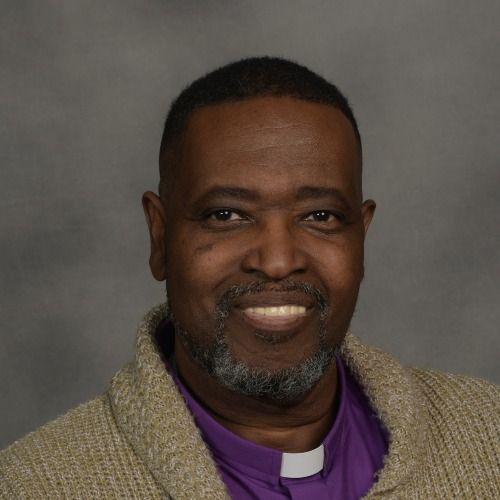
Kurt Bush Explains Why the Brimstone Butterfly, Not Fire, Defines Transformation
The central thesis articulated at the outset asserts that the most formidable impediment to efficacious leadership is not a deficit of technical acumen or material resources but rather an attenuated capacity for self‑awareness, a proposition he advances with clinical clarity and theological nuance. Kurt Bush, who he introduces as a certified Internal Family Systems practitioner, trauma‑informed coach, and co‑founder of Brimstone Coaching Group, explicates how imposter phenomena, chronic exhaustion, and performative leadership are perpetuated by unexamined narratives and somatic responses—what he and his interlocutor diagnostically term “little‑t” trauma and the nervous‑system patterns that crystallize from it. Employing the heuristic E + R = T (Encounter plus Reflection equals Transformation), he delineates a praxis whereby leaders catalogue perturbing encounters (those moments in which they behave counter to their aspired identity), interrogate attendant affective and cognitive drivers, and thereby architect iterative change through disciplined reflective inquiry and somatic regulation. He illustrates these propositions with granular anecdotes—ranging from the reflexive closing of a laptop in the face of incomprehensible marketing directives to the chastening episode of a son’s speeding ticket—using such vignettes to demonstrate how schema‑driven reactivity both corrodes relational trust and yields deleterious leadership outcomes. Moreover, he situates authentic leadership within a teleological frame: leadership that harmonizes one’s dispositional gifts and vocational call with the exigent needs of the community, a state attainable only through intentional formation rather than unbridled impulsivity masquerading as candor.
Taken together, the dialogue advances a multifaceted, trauma‑informed model for leaders— pastors, executives, parents—urging them to practice micro‑reflections, cultivate metacognitive humility, and adopt procedural safeguards against the habitual enactment of insecurity; he even supplies pragmatic signposts (the “kicking the dog” heuristic, moments of remorse) and a modest 15‑minute reflective prescription to commence this arduous yet indispensable work. He articulates a sophisticated interrogation of leadership pathology, contending that the predominant barrier to effective stewardship is not deficit of competence but deficit of self-awareness; Kurt Bush, a certified internal family systems practitioner and trauma‑informed coach, guides the interlocutors through an integrative taxonomy of leaders' interior landscapes. The dialogue juxtaposes cognitive appraisal with somatic resonance — invoking nervous‑system language, little‑t and Big‑T trauma distinctions, and the internal family systems heuristic — to explain why accomplished leaders habitually perform an exterior competence while disavowing internal fragility. With urbane wit he even defuses pastoral anxieties with theological whimsy (the brimstone butterfly, not brimstone brimstone), thereby modelling how theological idiom and clinical sensitivity can coexist without acrimony. He proffers a pragmatic, process‑oriented remedy: E + R = T (Encounter plus Reflection equals Transformation).
Through deliberately formulated reflective questions — Who was present? What did I feel? What would I have preferred to do under less anxiety? — he prescribes iterative reflexivity as a countermeasure to the performative exigencies of leadership. Anecdotal vignettes (a childhood spelling‑bee misspelling that seeded a lifelong aversion to appearing incompetent; a parenting episode catalyzing reparative accountability) provide empirical texture to his claims and render the theoretical scaffold palpably actionable.
Links referenced in this episode:
Transcript
Have you ever felt like leading everyone else successfully while secretly questioning yourself?
Do you ever wonder why so many accomplished leaders battle self doubt, exhaustion, insecurity and the constant feeling that they're one step away from being exposed is a fraud?
What if the greatest barrier to your leadership isn't a lack of skills, resources or experience?
What if it's a lack of self awareness?
Today's guest understands that struggle personally.
Kurt Busch has spent years helping leaders break free from imposter syndrome, embrace authenticity and discover a healthier way to lead.
Through his work with Brimstone Coaching Group, Kurt helps individuals and teams move from exhaustion and frustration to clarity and wholeness through a powerful framework known as encounter.
Reflect equals transformation.
We'll discuss authentic leadership, trauma Informed coaching, internal Family systems, Overcoming Self Doubt and insights from his book Live Faithfully, Live Fully, Lead Authentically.
If you're a leader, pastor, business owner, parent, anyone seeking personal growth or greater impact, this conversation is for you.
Kurt is a certified internal family systems practitioner, trauma informed coach, and co founder of Brimstone Coaching Group.
His professional journey spans corporate leadership, pastoral ministry, and executive coaching, giving him a unique perspective on the challenges leaders face in today's world.
Having overcome his own struggles with imposter syndrome, Kurt is passionate about helping other leaders break free from self doubt, embrace authenticity, and lead with confidence and purpose.
He's also co author of the book Live Fully, Live Authentically.
The surprising link between self awareness and your impact.
Kurt, welcome to the podcast.
Kurt Bush:Hey, Keith, thanks for having me, man.
It's great to be here.
Rev. Dr. B. Keith Haney:Let's talk to a fellow Iowan.
Kurt Bush:Yeah, I love it.
Rev. Dr. B. Keith Haney:Love it.
There are so few of us who understand the beauty that is Iowa.
Kurt Bush:That's right.
That's right.
Love it.
Rev. Dr. B. Keith Haney:So I'm gonna ask you my favorite question to kind of get us warmed up.
What's the best piece of advice you've ever received?
Kurt Bush:I love this question.
You sent these questions.
This is the one I didn't have to think about.
Like, I know this one piece of advice was from a really good friend of mine.
He happened to be my lead pastor, my supervisor when I was pastoring a church.
He said to me, he said, how you do things is just as, if not more important than what you do.
And I tell myself or someone else that once a week.
Rev. Dr. B. Keith Haney:How has that advice influenced how you coach and lead others?
Kurt Bush:Yeah, you know, I think there was a long time in my life and career where I was really just focused on, like, making the right decisions or doing the right things, you know, or like, gosh, I Don't want to do the wrong thing.
I don't want to make a mistake, you know, or like, I want to be the leader with all the answers, you know, all that kind of stuff.
I think what that advice has helped me shift is, like, I'm much more focused on how I show up as I'm making decisions or how I show up as I'm leading people, or, you know, I'm much more collaborative, you know, this was advice given in a church leadership context.
And as you know, Keith, we as leaders might actually know the answer, but how we get people to that answer is just way more important.
So I think it just.
It completely shifts how I think about what it means that I'm a leader, what it means to have an answer or get an answer or find an answer or be right or be wrong just shifts all that for me.
Rev. Dr. B. Keith Haney:I love it.
So your background spans a lot of different aspects.
Corporate leadership, pastoral ministry, coaching, personal transformation.
Tell us about your journey.
Kurt Bush:Do we have, like, six hours, Keith?
Rev. Dr. B. Keith Haney:Oh, sure, yeah.
Go ahead.
Kurt Bush:Yeah.
It's a weird one.
It's a weird one for sure.
So I started working at a manufacturing company when I was just a kid.
I was like, 21.
I mean, I'd worked as a high school kid, all that kind of stuff.
I ended up in a manufacturing plant at, like, 21.
Didn't know what I was doing, and got some opportunities really early to lead some things.
Some opportunities that I like probably shouldn't have had.
I didn't know what I was doing.
I got to work in some process improvement.
This company I worked for had a philosophy that said that they moved people around a lot.
They gave a lot of opportunities, they advanced from within a lot.
So I worked with some process improvement engineers first, and then I went into hr.
I did labor recruiting for the plant.
Then I did some production supervision and just got to see a whole lot of sides of leadership that I just would have never gotten outside of that place.
Then in the midst of that, I was kind of behind the scenes.
I was doing some volunteer leadership at a church plant and then ended up in seminary late in life, in my 30s, which, Keith, I don't know what you would say.
I'd recommend that to everybody.
Sarcasm.
Ended up in seminary in my 30s, did that.
Graduated in: te pastor from, I don't know,: nd of second campus launch in:Loved, loved that.
Loved the church that I Worked for.
I still, these are some of my favorite people.
Even today, I still worship at the church I worked for.
It's just a gift.
Yeah.
And then I launched a coaching practice.
What happened?
rt, Keith, is Do you remember: Rev. Dr. B. Keith Haney:Yeah.
Kurt Bush:Yeah, I thought so, unfortunately.
Yeah, yeah, yeah.
So I don't want to go back to that for anything.
st of:And that was crazy.
And we sort of in the church world, maybe you know this word, we unfolded a church.
So one church died.
And then we launched a second campus of another church in the place of the old church.
And I was tasked with leading culture, leading change, leading this launch of this new campus where the old one had just died, which is hard in and of itself.
But then Covid happens.
And what I needed to do, what was required of me, what the church needed for me then was to help my volunteer leaders navigate their own anxiety so we could still do the work we had to do.
You know, everybody in:And I really had to coach all of them and myself to be able to show up in place as well.
So we could still do the thing.
We still had a church to launch.
n as we got further away from:Leaders were coaching each other and I just naturally got to coach less.
I didn't get to do as much of that work that I loved to do.
I was having to be more of an organizational leader.
I'll be honest with you, Keith, I do not like organizational leadership.
It is not my jam.
It drains me like crazy.
ith one of my best friends in:And we haven't looked back since.
Rev. Dr. B. Keith Haney:You know, it's funny when you talked about the, the journey into pastoral ministry and the next thing I'm going to ask you, kind of, to me, most people don't realize how easy it is for imposter syndrome to work its way into, especially the pastoral office.
Yeah, you, you walk out of a, out of a situation, a graduate level class, basically degree, and all of a sudden now everyone's looking at you to be the leader, oftentimes to save a struggling congregation.
Cause 90% of our congregations are plateaued or dying.
But they call this young 20, 30 something year old who's bright eyed, bushy tailed and say, hey, you're our rescuer.
Help us.
And so I'M just kind of curious, how did you deal with the imposter syndrome of just that transition from what you were doing to what you're doing now at that?
Kurt Bush:Yeah, yeah, that's a great question.
I love that question, Keith.
And I can tell it's coming from someone who could answer the question too.
So I would love to hear.
Hear.
I would love to hear how you think about this, too.
Yeah, you know, I love the question.
I. I dealt with a lot of imposter syndrome in seminary.
I. I don't have an undergrad degree.
The seminary I went to had some sort of process where a certain number of the population could get into the program without an undergrad degree and be on probation and all this kind of stuff because the number of pastors that seminaries are producing is not enough.
Right.
There's not enough pastors coming into the, into the world, into the workforce, if you will.
So.
So I came in right away like, I'd never written a graduate level paper.
I didn't know what I was doing.
I actually thought every paper I turned in was going to be the one where they're like, get this guy out of here.
You know, Like, I really just thought, like, that was real.
I really thought I'm going to be found out as not belonging.
I think to your point, though, I think it is so common.
And I feel like I had a different story.
Well, I'll just tell you my story.
So I was an associate pastor for a church.
I was still in seminary at that time, so they were really gracious to me.
I did a lot.
Like, they gave me a lot of space to do schoolwork.
They gave me a lot of space to grow and learn.
I didn't have a huge amount of responsibility as an associate pastor.
But then going into launching this second campus, I am really, really fortunate that my story isn't like a lot of pastors.
The church that I worked for from day one was really clear about what's my responsibility and what's others or what they were asking me to do and what they weren't asking me to do.
I can say with complete honesty, I never felt.
Well, I mean, I felt some of that pressure from congregants or from the community, but I never felt it from the people I reported to.
Right.
So elders leads, lead pastor.
I never felt what you just described, but I know how, like, I have colleagues all over that.
I mean, you know, they walk into work and their career, their literal career is kind of hanging in the balance of five elders.
Right, right.
Who.
Who Want unrealistic things.
And I, I just.
I personally have never experienced it.
And I. I give thanks to God every day that, that, you know, I. I think I found the unicorn.
I think God gave me the.
The unicorn church.
Right.
I felt nothing but support from the people that matter.
That's not true.
I don't want to say mattered, but the, the people who held my employment, I felt nothing but support.
Rev. Dr. B. Keith Haney:That's great.
So my story's a little different.
I walked into a congregation that was established but kind of stagnant.
They had a school.
The way the school was set up, there were not enough students to cover tuition, so the school was hemorrhaging.
And after one year, me being there, we lost $60,000 and had to close.
And some of the leaders like, well, this is your fault.
You should have been a better leader.
This wasn't part of my training, but all of a sudden I realized as I was in that situation that I didn't know how to lead.
There was one class on pastoral as administrator, but none of them dealt with the things I was experiencing.
Kurt Bush:Yeah.
Rev. Dr. B. Keith Haney:So my first thought was, who can I find that's a leader in this space to learn from?
Because I'm not quite there.
Kurt Bush:Yeah.
Rev. Dr. B. Keith Haney:And I found at that time, not a lot of it wasn't a leadership in the church.
It was a lot of management type things.
Kurt Bush:Yeah.
Rev. Dr. B. Keith Haney:But John Maxwell was.
Was on the scene and he was pouring into people and pouring into leaders.
So every single book John Maxwell wrote or every single time he was in the area, I was at a workshop there and I sat and just learned to lead from someone who was doing it.
So.
Yeah, it's hard if you don't know what to do.
Kurt Bush:It is.
And, you know, so here's a story.
Here's my version of that.
Keith, number one.
Like, thanks for telling me that story.
I can't imagine, Like, I always, like, I defend pastors first.
Right.
Like, part of me is like, how do you put that on, Keith?
This school club, like, it's sort of like the last hitter of a baseball game that doesn't hit a grand slam.
Like, well, you lost the game way before, you know, like, we lost the.
Rev. Dr. B. Keith Haney:World Series because of you.
I'm like, no, I didn't pitch.
Kurt Bush:That's right.
That's right.
Yeah.
Like, that school was on that path well before Keith.
Right.
Like, that's where my mind goes.
But I'm.
But I'm.
I'm aware that that's not where everybody's mind goes.
So I'm sorry.
That that was your experience, but thanks for telling me.
My imposter syndrome looked a lot like it did during seminary.
So again, we're in Iowa, so I've got Northwestern College here in my backyard.
I'm not sure if you're familiar, but it's a little Christian college.
And the church that I served would occasionally have professors preach or professors, you know, be a part of things.
And we would, we would do once a week, we would, we call it text study.
So those of us preaching would get together and kind of just go through the week's passage together and what, what's God saying?
What are we, what are we hearing out of this?
And I remember for the first year, like, if I'm sitting at that table and there's a professor there, I'm scared to death.
Like, I.
And I love them and they're like, I want to be in community with them and I want to learn from them, but I can't imagine that they would learn from me.
And I remember the imposter syndrome was if I speak, they're going to ask me to leave because I'm not smart enough.
And I had a good coach, kind of helped me understand that's probably not the reality and kind of work through some steps to start to share and be present and give opinions.
And it worked.
Over the course of time, I could see what was true and I could contribute and be present.
But I think to your point, Keith, like, I'm so grateful for my seminary experience, I went to a seminary that I would say it like this.
They cared more about formation than they did education.
Education was important.
Like, hear me, don't hear me say it wasn't.
But forming a healthy pastor, that was paramount.
And there is nothing that's going to prepare a pastor for what you described.
Like, there's no seminary class.
And all too often pastors kind of get tossed out there, figure it out kind of thing.
And that breaks my heart a little bit.
Rev. Dr. B. Keith Haney:Yeah.
So let's talk about the crisis of self doubt.
Many leaders look successfully at the outside while carrying this tremendous insecurity internally.
Why do you think imposter syndrome is so common among leaders?
Kurt Bush:Yeah, I don't know, Keith.
I don't know.
I think all theories here, right.
We've just built up this kind of pension and desire for success.
And that, in my opinion, has just kind of led to this culture of comparison.
Especially in the church world.
Right.
Especially in the pastoral world.
There is always a pastor with more congregants.
There is always a pastor with more book Sales, or there's always a pastor with more services or a bigger budget.
And it doesn't just.
This isn't just for pastors.
But I think that comparison is really the root of man.
I don't belong.
Or I think some of the root, if we boil it down enough, is fear.
Fear of failing, fear of being found out as not being good enough, or fear of being seen as less of a leader.
I think of your story with the school closing, Keith.
I imagine there's a lot of fear boiling up in some of those stories for you.
Um, but I think.
I mean, I think those are the kind of key things, right?
The desire to succeed and not fail and then pair that with the fear of failing or being found out.
Rev. Dr. B. Keith Haney:So if you are a leader and you're wondering, do I have imposter syndrome?
What are some indicators you would say, pay attention to these warning signs?
Kurt Bush:Yeah, yeah.
I.
There's a million of them.
I think the two that I want to.
Well, I'm going to give one sign, and then I'm going to give a tool to find those signs.
The first is like, how do you go home?
Do you go home and kick the dog?
Metaphorically or actually.
Or actually.
Actually would be bad, too, Keith.
That's a great point.
That's a great point.
Metaphorically or literally, if you're kicking the dog, you probably have some form of something going on inside you.
For the record, I don't Brimstone Koji Group does not advocate kicking any dogs.
Rev. Dr. B. Keith Haney:There you go.
No dogs will harm in the making of.
Kurt Bush:That's right.
That's right.
Not a dog person.
But I don't want anybody kick any dogs.
You know, what we.
What we see in our clients.
And frankly, what I've seen in myself is like, I can fake it throughout the day, right?
I can look successful.
I can.
You know, I can perform success.
I can perform strength.
But, man, when I get home, I can only perform for so long.
And I think the same is true for most of us, that at some point that performance comes down and we, again, literally or metaphorically, are going to kick the dog or lash out at a family member or something like that.
That's a sign of, like, maybe I'm performing something.
Maybe I'm showing up in a way that's not truly aligned with who God has called me to be.
I think the other tool that we give, we invite people to notice regret and remorse.
And those are strong words.
I maybe don't mean them as strong as they come across.
But, Keith, the example would Be do I leave a conversation with a congregant feeling like, man, I wish I wouldn't have raised my voice, or do I leave a leadership meeting thinking, why did I stay silent?
You know, those are moments where it may be imposter syndrome, it might be something else, but those are moments like, those are indicators that there's something going on keeping us from showing up as authentically as we can.
Rev. Dr. B. Keith Haney:So let's talk about your coaching group.
I love your framework.
Encounter plus reflection equals transformation.
It sounds kind of churchy.
Kind of walk us through this idea, Keith.
Kurt Bush:I mean, we're both pastors.
We can't get away from the analogies and metaphors and alliteration.
We have some alliteration.
We have three points, you know.
Rev. Dr. B. Keith Haney:Right.
Kurt Bush:Also, can I say real quick, we call ourselves Brimstone coaching group.
Your audience might hear brimstone and think something.
Is that fire in brimstone?
Yeah.
Yes.
Yes.
Rev. Dr. B. Keith Haney:I grew up Southern Baptist, so my Southern Baptist background might think that my Lutheran background wouldn't.
Kurt Bush:That's fair.
Theology humor.
I love it, Keith.
So.
So we.
Before I answer your question, I'm going to answer your question, but we always like to tell people, you know, butterflies are transformed creatures.
They're the only living creature that literally transforms in their life.
The brimstone butterfly is a species of butterfly native to Africa, but it is the longest living butterfly.
So we really wanted to capture, like, a long life of transformation, not fire and brimstone.
But when we get in Christian circles, we always have to remind it's not that kind of brimstone.
Settle down, Southern Baptist.
It's not that kind of brimstone.
Rev. Dr. B. Keith Haney:That's right.
We're not going to project the fire.
Kurt Bush:Yeah.
Yeah.
So you asked about the E plus R equals T, right?
Rev. Dr. B. Keith Haney:Yeah.
Kurt Bush:Sorry, Keith.
Yeah.
So this is a framework that we think helps us not do the same things we keep doing.
Right.
So when I worked in manufacturing, I learned from a process engineer.
He was Swedish, I think Swedish or Swiss.
Those are the same places in my head.
They're not the same place, but I don't know which it is.
He had this European sensibility, very direct and very upfront.
And he would always say, there's no accidental results that.
That the results we're getting in our life and leadership, they're because we have bad process or because whatever process we have gets the results.
E plus R equals T is our tool to say, let's examine our results.
Let's examine our processes and see if we can get a different result.
We like to employ this with our clients and with ourselves.
At the end of a day, at the end of a meeting, at the end of a week, whatever time window it is, we ask people to notice encounters.
And an encounter in our mind is anything that causes us to show up in a way we don't understand.
So I don't know if I'm in traffic and I honk my horn or flip a bird, which I've never done, by the way.
Keith.
I've never done that, by the way.
Or we get cut off in the supermarket line and sort of under my breath, maybe I might mumble something.
Never done that either.
Uh, though those are encounters we invite.
We invite ourselves and our clients to reflect on those encounters, specifically those encounters that shock us or surprise us or make us show up in those ways.
And we ask simple questions like, what happened?
Who was there?
What did I do?
What did I feel?
And then maybe most importantly, what would I have rather done, right?
What.
What would I like in my best thinking, free of anxiety, what would I have chosen to do?
And we think those two things actually lead to transformation.
Because now I see it.
I see something that didn't go the way I wanted it to.
And once I see it, now I get to do something about it.
It might not be different right away, but I can take steps to start to make that a little more different every time.
Rev. Dr. B. Keith Haney:I'm curious about your first one encounter.
Define what encounter means.
Kurt Bush:Yeah.
Yeah.
So again, this is any moment or exchange or circumstance that causes us to respond or react in ways that are not typically who we are.
Can I give you an example?
Rev. Dr. B. Keith Haney:Sure.
Kurt Bush:So this is embarrassing.
Keith.
We just.
The other day.
Rev. Dr. B. Keith Haney:As long as it's embarrassing to you, not to me, but go ahead.
Kurt Bush:That's embarrassing to me.
Rev. Dr. B. Keith Haney:Okay.
Kurt Bush:Uh, so my.
My business partner and I, we hired some marketing folks to help us market our business because we don't know what the heck we're doing.
We're pastors, so we pay them to market for us, and they give us homework, right?
They.
They tell us, you know, do this between now and our next time together.
Well, they.
They emailed one not that long ago, one of these lists.
And.
And Keith, I gotta be honest, I looked at it.
It was like Greek or Hebrew, right?
It was.
It was another language.
And I didn't know.
I didn't even know what they were asking me to do.
So instead of, like, you know, what a quote unquote normal person would do, like, I don't know, what would you do in that sense, Keith?
What would you do in that moment, Keith?
Rev. Dr. B. Keith Haney:Well, I'd probably ask for clarification.
Kurt Bush:You'd probably ask.
That seems logical.
Do you want to know what I did, Keith?
Rev. Dr. B. Keith Haney:Oh, what'd you do?
Kurt Bush:I reached up and closed my laptop because I.
There's something in my past, like, this is kind of.
This is the trauma informed stuff that we may or may not get to.
But there's something in me that is, like, resistant to looking incompetent.
So.
So in that moment, like, I by default, reached up and closed my laptop.
I'm like, nope, I'm not going to ask for clarity.
They're going to think I'm dumb.
So.
So I close the laptop.
I did come back to it pretty quickly.
Quicker than I used to.
Right.
Some of our work is saying these things might not go away, but I can come back to it quicker.
That's an encounter.
Closing the laptop was not the way that I wanted to be.
That's not the kind of business owner that I want to be.
I want to learn.
I want to do this stuff.
Well, I'm paying them actual money to tell me what to do.
Right.
And then I'm not doing it.
Like, I don't want that.
So that's an encounter.
Anything that any moment when we respond or react in ways that are contrary to what we want to do.
Rev. Dr. B. Keith Haney:I'm assuming that reflection is probably difficult, too.
I was talking to someone who had something called the pivot method.
And that moment where we had to kind of stop and internally process something is a place that most people don't want to get to.
They'll like to get to the vision or the transformation or the action.
I bet reflection is one of those things that a lot of people get stuck on.
Kurt Bush:Yeah, it's scary, isn't it?
I mean.
I mean, I'll put myself in that.
I didn't know how to do this years ago.
I didn't know how to, like, sit in silence.
I mean, it's scary.
You know, one of the things, I had a professor once, I don't know if you know the name Chuck De groat, but Chuck DeGroat was one of my professors, and he would invite us into spaces of silence and solitude.
And he said, a lot of people resist this because they're scared of what they might hear or scared of what they might find.
And I think that's true.
My most gracious understanding of that is I want to say, I understand it can be scary.
So what we try to invite people into is to say, here's some simple Questions.
We try to give some really elementary questions so people aren't just kind of trying to guess their way through how to process or how to reflect.
But we also say if a person's never reflected like that before in silence, do it for five minutes, right?
Do it for five minutes on your lunch break.
Find just a couple minutes where you can try it on, see how it feels and work up to it.
Now, I know some people that can do this for hours, sit in silence for hours.
That's not realistic for a lot of people who've never reflected on something like this intentionally before.
So, yeah, it is really scary.
And I don't think it.
I don't think it needs to be scary to start practicing it.
Rev. Dr. B. Keith Haney:I'm afraid if I sit in silence, I'll be asleep, so.
Kurt Bush:Hey, there you go.
Sounds good.
Rev. Dr. B. Keith Haney:So share a moment in your own life where you've gone through this process or an encounter, reflection, and genuine transformation happened.
Kurt Bush:Yeah.
Yeah.
Oh, boy.
Keith, I'm gonna.
I'm just making myself look really good today.
I know.
Rev. Dr. B. Keith Haney:That's why I have you on.
Kurt Bush:Yeah.
I have a 16 year old son.
And you know this, in Iowa, these kids can drive pretty young.
He got his learner's permit, drove pretty well.
He got his license, full license at 16, week two, got a speeding ticket.
And like, not a little speeding, like a lot speeding.
And I came home from my office, I walk in my house, and on the counter is this speeding ticket.
After school.
He's off doing after school events, but the speeding ticket is there staring me in the face, right?
And I'm hot.
Like, I am ramped to 11, Keith.
I can't wait for this kid to get home because I got some stuff to say, you know, So I was ramped up to 11.
I was not thinking clearly.
He came home and I lit him up, you know, verbally.
I said things I don't like.
I employed shame in a way that was not helpful.
And he walked away.
I mean, he's 16.
He probably didn't care, but he walked away.
And I felt horrible, right?
I felt horrible because this is like, we have a great relationship.
I love this kid.
And I just felt terrible, especially because I had like two hours to prep for this and all I was doing was, like, working through what I was going to.
I was like a lawyer giving closing arguments with this thing.
And I didn't stop myself.
I went through and I said some things I regretted.
So I employed the E R equals T and.
And got clear of like, why, why, why did I say that.
Why did I feel like I needed to say that?
I got to clean up my own mess, which in our world, we say the mess is what I made by saying the things that I didn't intend to say.
I made a mess.
I got to clean it up.
I asked for impact from my son.
I apologized, and now I. I still ramp up to 11.
This just doesn't go away.
But now, now I can remember what it was like to have to clean up that mess, right?
I know now that, like, this was a.
This was a big one.
Like, we've had below.
Like, parenting's hard.
Like, you.
You lose your cool, right?
Like, this is.
Rev. Dr. B. Keith Haney:But.
Kurt Bush:But this was a new one.
You know, this is 16 driving.
Like, this was a new level of dad loss is cool.
So, yeah, this sticks with me and it helps me.
That transformation piece is like, I don't want to clean up that same mess again.
Rev. Dr. B. Keith Haney:So let's get into your book, Living Fully and leading Authentically.
Why is self awareness such a critical part of leadership skills we just talked about from your example there?
Kurt Bush:Yeah, yeah, yeah.
I don't know.
Good question.
Keith, what do you think?
Rev. Dr. B. Keith Haney:Or maybe this.
How is self awareness have changed that situation based on what you did in your book?
Kurt Bush:Yeah, that's a great question.
Self, aware, I think self awareness in that case helps me understand what I'm prone to do, right?
And I consider myself pretty self.
Aware.
But what we would say also is that new stages of life and new experiences cause new things to be aware of, right?
I didn't know.
I never had a kid get a speeding ticket and leave it on the counter before.
But I think that self awareness is what helps me understand what I'm prone to.
When I led in a manufacturing plant, what I know now, I didn't know then.
I wish I'd have known that.
What I know now is that I'm a people pleaser and I am scared to death.
Again, yelled at.
So I would supervise a group of people, and I had a boss, I had a department manager that was holding me accountable to production rates and all that kind of stuff.
And I would do anything to meet those, including I had one employee who would volunteer, like, hey, this has to get done.
I'll just work through my break.
I'll just work through my break.
And I'd be like, yeah, go ahead, do it.
And I took advantage of him, right?
Because I couldn't disappoint my boss.
If I could go back today, I would say, no way.
Go take your break.
Go eat your lunch, you know, but because I wasn't self aware, I didn't know what I was bringing into that.
I didn't know what I needed to address.
I didn't know what I needed to work on.
I didn't know that my stuff was causing me to lead in a way that I would later regret.
Rev. Dr. B. Keith Haney:That word authentic gets used a lot today.
We love authentic this, authentic that.
How do you find authentic leadership?
Kurt Bush:Yeah, great question, Keith.
I like this question a lot.
And I like it especially when I'm talking to another reverend here, because I can say this in a little different way than I might say it sitting in a sort of secular business workplace.
First, I agree with you.
I think authenticity gets thrown out a lot.
A lot.
And I think the myth, the myth of it is that I'm authentic when I don't have a filter.
Right.
That I'm authentic when I just speak my mind, consequences be damned.
Right.
I think that's how some people think about authenticity.
That's not how I think about it.
That's not how we think about it.
We think authentic leadership is leadership that is most closely aligned with who and how we want to be.
And I would say the next layer down is who and how we think God is calling us to be or has created us to be, which gets into things like shalom and gets into things of like.
Right.
Relationships with God, ourselves, others, and creation.
I think authentic leadership aligns the actual work of leadership with that sort of clarity of who and how we're called to be.
Rev. Dr. B. Keith Haney:Right.
I want to talk about trauma leadership.
You're also a trauma informed coach.
Many people hear the word trauma and immediately think of extreme situations.
How do you define trauma?
Kurt Bush:Yeah, good question.
I want to be really clear.
I'm not a therapist.
I'm a pastor, I'm a reverend.
I'm not a therapist.
We think there's two kinds of trauma.
Well, most experts think there's two kinds of trauma.
Big T trauma, big trauma, which are catastrophic events that change life in an instant.
This is tragic car accident.
This is abuse.
This is any moment where life obviously changes for someone.
We also think there's little T trauma.
So lowercase T trauma, lowercase T trauma.
We think everybody has.
And lowercase trauma is the trauma, the experiences that happen to us that is in fact shaping us.
We just, we don't know it or we don't understand it.
Can I give you an example?
Rev. Dr. B. Keith Haney:Sure.
Kurt Bush:I was in a spelling bee in third grade, Keith.
So this little rural Illinois elementary school, like in the, in the early 90s and everybody in the class did the spelling bee.
Like, you didn't have to try out.
Everybody did it.
And it was during the day, and everybody was in the gym.
All the classes, all the grades K through 5 were in the gymnasium.
Parents come out to this thing.
And I am.
I am a killer speller, Keith.
Like, even today.
But third grade, Kurt, I was going to crush these kids, right?
This was my contest to win.
So we whittled it down.
I was one of three.
At the end of the contest, I get.
I step up to the microphone to get my word.
I get my word.
My word is farm, which is crazy easy for third grade, right?
This is a slam dunk.
Of course I'm going to get farm.
So I step up to the microphone and I say, farm.
F, R, A M. That's not how you spell farm, Keith.
That's not farm.
So the ding the bell, the moderator rings the bell, which means I got it wrong.
And I sit down and I look down in my row, and everybody's laughing at me.
That.
That moment, that moment is where I learned, don't look incompetent.
It's dangerous to look inc. You're gonna get made fun of if you look dumb.
I didn't know at the time, like, I did not know at the time that I was gonna carry that into pastoral positions.
I didn't know 40 some year old Kurt was gonna be carrying that.
But I was.
I carried it for a long time.
Not like the emotions of it, but the fear.
Like, my nervous system would protect me against having someone laugh at me for looking dumb.
So that's little T trauma.
Some of us have big T trauma, right?
Some of us have catastrophic events where our life changes in a heartbeat, and we know it.
I think all of us have little T trauma.
Those moments where something happens and we don't know it at the time, but it's going to hold with us and shape our behavior for a long time.
Time.
Rev. Dr. B. Keith Haney:Wow, that's really powerful.
So the title of your book starts with the phrase living fully.
What does living a fully lived life look like?
Kurt Bush:Yeah.
Yeah, that's a great question.
And again, I can shape this a little differently on your podcast than some others.
I think for us, living fully means that we are aligned with our purpose.
Right?
What's Frederick Buechner?
I'm maybe going to misquote Frederick Buechner, but I'm going to paraphrase Frederick Buechner would say that vocation, or calling not vocation, in a sense of what I do for work or what you do for work.
But our sense of purpose and calling is where our heart's greatest desires intersects with the world's deepest needs.
I think that for me, is a picture of what it means to lead fully.
And certainly, you know, I might not be able to do that today.
I might not be able to be fully aligned with that.
But can I take steps to do that with clarity, free from that sort of little t trauma?
Doing it in ways that align with our best thinking and our most.
Most intentional alignment with who, who and how we want to be.
Great.
Rev. Dr. B. Keith Haney:So now we're gonna have some fun.
Some lightning round questions.
Kurt Bush:Oh, love him.
Rev. Dr. B. Keith Haney:Go.
Coffee or tea?
Kurt Bush:Coffee.
Every day.
Rev. Dr. B. Keith Haney:Morning person or night owl?
Kurt Bush:Night.
Rev. Dr. B. Keith Haney:Your favorite leadership book besides your own?
Kurt Bush:Oh, gosh, I really like boundaries for the Soul by Dr. Allison Cook.
Or I like.
Oh, gosh, why can't I think of it?
It's by Ruth Haley Barton.
Ah, hold on.
I can't.
Oh, Strengthening the soul of your leadership by Ruth Haley Barton.
Okay, I. I do really love it.
I just couldn't remember the name of it.
Rev. Dr. B. Keith Haney:I get that one word that describes authentic leadership.
Kurt Bush:Vulnerable.
Rev. Dr. B. Keith Haney:Best habit for self.
Awareness.
Kurt Bush:Reflection.
Rev. Dr. B. Keith Haney:Biggest myth about leadership.
Kurt Bush:I think the biggest myth about leadership is that you have to be a subject matter expert.
I think actually you need to be the most.
The least anxious person in the room.
Rev. Dr. B. Keith Haney:Your favorite way to recharge.
Kurt Bush:I like a good book.
Rev. Dr. B. Keith Haney:Your most influential mentor,.
Kurt Bush:Reverend Dr. Brian Kebers.
Rev. Dr. B. Keith Haney:One thing most leaders need to be aware of.
Kurt Bush:The if.
See, it's lightning.
And now I'm going to say a lot here, Keith.
If I can break down my brain into a pie chart, I have things I know, things I don't know, and things I don't know that I don't know.
I think if leaders become more aware that the things I don't know that I don't know is actually the biggest part of my pie chart.
I think that changes how I think about learning and curiosity.
Rev. Dr. B. Keith Haney:Good.
Your favorite place to visit.
Kurt Bush:Any baseball stadium.
Rev. Dr. B. Keith Haney:It's the field of dreams.
Kurt Bush:It's kind of mid, Keith.
It's kind of mid.
Rev. Dr. B. Keith Haney:No, really.
It's kind of an overrated place.
Kurt Bush:Yeah, I agree.
Rev. Dr. B. Keith Haney:If you weren't coaching, what would you be doing?
Kurt Bush:Oh, boy.
Ah.
I. I would be using my voice like I would be paing a sporting event somewhere.
Like I'd be some sort of public address or color commentator.
Some sort of, like, voice event user.
I don't even.
That's not even a sentence.
But I'd use my voice somehow.
In some sort of public way.
Rev. Dr. B. Keith Haney:That's okay.
If you could sit down with any historical figure for dinner, who would it be?
Kurt Bush:That's a great question.
Do I have to say Jesus?
Rev. Dr. B. Keith Haney:No, you don't have to say Jesus.
Kurt Bush:Would you tell me if I had to?
Rev. Dr. B. Keith Haney:No, I would.
I would.
Kurt Bush:That's a good question.
I don't even know how to answer that.
I should have looked at this question before you gave it to me.
Historical figure.
Can I pass on that one, Keith?
I don't know.
No, that's not true.
That's not true.
Dietrich Bonhoeffer.
Rev. Dr. B. Keith Haney:Oh, okay.
Kurt Bush:Yeah.
Love that guy.
Rev. Dr. B. Keith Haney:Good one.
Okay, so we asked this question of every.
In every episode.
What do you want your legacy to be?
Kurt Bush:I love this question.
I.
This is going to sound cliche.
I want to be known as someone who was as faithful as possible, period.
Rev. Dr. B. Keith Haney:That's good.
So we got something new on the podcast, and that's a surprise question.
Kurt Bush:Yes.
Rev. Dr. B. Keith Haney:Pick a number between 1 and 10 for your surprise question 3.
What is something you like most that people don't.
Kurt Bush:Yikes.
I don't know how deep you want me to go here, but here's what popped first, Keith.
I love banana Laffy Taffy.
Rev. Dr. B. Keith Haney:Oh, my God.
Kurt Bush:Love it.
Love it.
Absolutely love it.
That's probably not the depth at which you wanted me to go, but that's the first thing that popped into my head is I love yellow Laffy Taffy.
I think there's probably something about being the youngest child where, like, you eat the candy that's left, you know, so, like, I can have all of it I want because nobody else eats it.
Probably not where you're going, but that's where my brain.
Rev. Dr. B. Keith Haney:That's fine.
That's wherever you go.
So for listeners who are listening to us, Kurt, where is the best place to learn more about Brimstone Coaching, your coaching services, your speaking engagements, and purchase a copy of Living Live, Fully lead authentically.
Kurt Bush:Yeah.
Thanks for the invite to tell this.
Our website is brimstonecoachinggroup.com on the website there, people can find the book, people can find our podcast, people can find all the information about us, but there's also a link on there.
We.
We love what we do, and we think we're good at it.
And we know that it's not for everybody.
It's not for every situation.
We.
We are not for every situation.
So we offer a free, no obligation call where people can either talk to myself or my partner, Chris, and just see if where people feel stuck or have needs aligns with where kind of our our expertise is.
Rev. Dr. B. Keith Haney:Well, thank you Kurt.
Thanks for this tremendous conversation.
For listeners who want to learn more about Brimstone coaching, links will be in the show Notes.
But before we close, here's this week's Becoming Bridge builder challenge.
Take 15 minutes this week and reflect on these three where am I pretending to be stronger than I really am?
What part of my story have I been avoiding?
Instead of learning from, what's one step I can take toward greater authenticity?
Write down your answers, pray over them, and share them with a trusted friend, mentor, coach or accountability partner.
Because transformation doesn't begin with perfection.
It begins with honesty.
So friends, one of the great lessons today's conversation is that authentic leadership isn't about having all the right answers.
It's about having the courage to know yourself, face your story and learn from your experiences and lead from a place of wholeness rather than fear.
The strongest bridge builders aren't perfect people.
They're people who are willing to work hard on transformation so they can better serve others.
Thank you for joining this episode of Becoming Bridge Builders.
If today's conversation encouraged you, challenged you, or helped you see yourself differently, please subscribe, leave a review and share this episode with a leader, pastor, business owner or friend who needs to hear it.
Until next time, keep building bridges, keep pursuing growth, keep leading authentically and helping others discover the hope and purpose they were created for.
Craig, thanks so much for being on the show.
Kurt Bush:Thank you, Keith.