Love Goes Further: A Mother’s Story of Hope, Faith, and Kindness After Her Daughter’s Brain Cancer Diagnosis (with Cindy Eich)
What does it look like to find hope when fear arrives from two directions at once? In this episode, Cindy Eich shares how her family faced a son’s deployment to Afghanistan and her daughter Kendall’s grade 4 brain cancer diagnosis at the same time. Rather than collapse, they pivoted.
Kendall chose joy. She set a simple goal, to visit all 50 states, and turned a terrifying season into a movement of kindness and hope. Her family’s mantra, “make every day a great day,” carried them through hospital runs, sleepless nights, and the hardest days of cancer caregiving.
Cindy opens up about faith, community, and the small daily practices that kept her family going: journaling, setting tiny intentional goals, monthly mini-trips, and laughing on the bad days. She also shares how a corner hospital room overlooking a chapel steeple felt like a quiet promise, and how kindness, practiced like a skill, turned strangers into friends. It’s tearful at times, but mostly uplifting, and a reminder that a legacy isn’t measured by length of life but by how far love travels.
Key takeaways
- Lean on faith and presence when fear stacks up. Cindy relied on prayer, journaling, and showing up, one day at a time.
- Turn suffering into purpose with a small goal. Kendall’s 50-states mission shifted conversations from illness to adventure and connection.
- Build a community. Friends, medical staff, and classmates became family through grocery runs, rides to appointments, and bedside laughter.
- Find love everywhere. From kind phlebotomists to strangers who became friends in under a minute, love shows up in unexpected places.
- Journal through grief. Try writing one honest page each night to stay present while processing raw emotions.
- Practice kindness this week. Send an encouraging text, pay for someone’s coffee, or visit a lonely neighbor.
Transcript
What would you do if your greatest fears arrived at the same time?
Speaker A:Imagine worrying every day about your son deployed in a combat zone halfway around the world, only to learn that your daughter has been diagnosed with a terminal brain cancer.
Speaker A:How do you hold on to faith when your world is falling apart?
Speaker A:How can one young woman's courage inspire thousands of people all around the states?
Speaker A:Today's guest lived this story.
Speaker A:What emerged from tragedy wasn't despair.
Speaker A:It was a remarkable movement of hope, purpose, and love that proves one powerful truth.
Speaker A:Love really does go further.
Speaker A:Stay with us today as we welcome Cindy to the podcast.
Speaker A:Cindy is a mom, wife, mother, grandmother, and realtor, and bestselling author of Love Goes Further.
Speaker A:Like many parents, Cindy believed as she navigated the most difficult years of raising children.
Speaker A:But life had other plans.
Speaker A:While her son Jason was serving an infantry officer deployed in Afghanistan, Cindy found herself consumed with worry.
Speaker A:Then her family received devastating news.
Speaker A:Her daughter Kendall was diagnosed with grade four brain cancer.
Speaker A:What followed was a powerful journey of courage, faith, resilience, and a mission to spread love across all 50 states.
Speaker A:Though her book Love Goes Further, Cindy shares both the heartbreaking loss and extravagant, extraordinary legacy her daughter created through joy, generosity, and purpose.
Speaker A:Cindy, welcome to the podcast.
Speaker B:Thank you.
Speaker B:I appreciate being here.
Speaker A:So good to have you on.
Speaker A:We're so glad we could share this story and inspire more people with this journey.
Speaker A:In this story, I hope we always.
Speaker A:Yeah.
Speaker A:We begin every episode with the same question.
Speaker A:What's the best piece of advice you've ever received?
Speaker B:Best piece of advice I think is probably came from Kendall's neuro oncologist.
Speaker B:Actually her radiation oncologist, who said, every day is precious.
Speaker B:And of course, we all know that.
Speaker B:But it took on new resonance for us.
Speaker A:Yeah, I would imagine when you're going through that every day, you do this value and look back and go, you don't want to take any.
Speaker A:Any single moment for granted.
Speaker B:So true.
Speaker A:Before we discuss the book, take us back to that season in your life.
Speaker A:What was it like having your son deployed overseas while trying to navigate the uncertainty of every military family faces?
Speaker A:My son's in army, too, so I get that uncertainty.
Speaker A:Yes.
Speaker B:Yeah.
Speaker B:Thank you.
Speaker B:And thank him for his service.
Speaker B:So Jason was in the Marine Corps for nine years.
Speaker B:At the time he was deployed, it was probably seven and a half years.
Speaker B:So you can't be a Marine Corps parent or any service parent without anticipating the day that your child's going to be deployed.
Speaker B:And for Jason, it was Afghanistan.
Speaker B:And so I worry about little things, but I'm not genuinely A fearful person by nature.
Speaker B:And I found myself in fear during those months that Jason was deployed.
Speaker B:And so it was a surreal time.
Speaker B:I didn't feel quite myself at that time, and I did find great comfort in faith and.
Speaker B:And particularly in Christian music.
Speaker A:So how long was he deployed to Afghanistan?
Speaker B:So his full deployment was 15 months, but part of that time was spent in Germany and in the Republic of Georgia.
Speaker B:Jason was an infantry officer, and he was responsible for a platoon of Georgian soldiers overseas.
Speaker A:Wow.
Speaker A:I get that.
Speaker A:Cause my son's first deployment was to South Korea.
Speaker A:Um.
Speaker B:Wow.
Speaker A:And it was so far away.
Speaker A:And it's just.
Speaker A:It's so hard if you don't have a child in the military to understand what it's.
Speaker A:What it's like.
Speaker A:You're watching every news account.
Speaker A:You don't.
Speaker A:I don't typically watch the news, but you're always watching the news.
Speaker A:And the funny thing about my son's deployment was as soon as he got over there to South Korea, there was a report, you may remember this, of a soldier who had wandered into a demilitarized zone.
Speaker A:Oh.
Speaker A:And he had turned himself in.
Speaker A:And it was an African American soldier.
Speaker A:And I'm like, I really hope my son didn't drift over into militarize.
Speaker A:And I didn't want.
Speaker A:I was trying to figure out, how do I ask this question without insulting him?
Speaker A:And so I just texted him.
Speaker A:So did you hear about this?
Speaker A:Soldier's like, what fool would do that?
Speaker A:I'm like, oh, good.
Speaker A:You know, not to do that.
Speaker A:Yeah.
Speaker B:And it is interesting because while Jason was in Georgia, there was a flood in Tbilisi.
Speaker B:And I knew that Jason and his peers spent their weekends in Tbilisi when they were off the base.
Speaker B:And so the news made maybe one news cycle here.
Speaker B:And it talked about the fact that the flooding was so bad that zoo animals escaped from the zoo and that they had a really hard time rounding up these animals from the zoo, and that, sadly, there were people who lost their lives through an encounter with a zoo animal.
Speaker B:But as I wanted to learn more about that tragedy, I turned to overseas news sources, and I found that there was a lot more news available at that time about what was going on in Afghanistan than what was available here.
Speaker B:And so I started what was.
Speaker B:It felt very healthy to me.
Speaker B:I've always liked looking the tiger right in the eye, and.
Speaker B:And so.
Speaker B:But I found that I didn't necessarily have people I could speak to about the questions that I had after some of what I was learning.
Speaker B:And so it probably did contribute to the fear I was Experiencing.
Speaker A:Yeah, that's hard.
Speaker A:And you never get enough.
Speaker A:Never get enough information to make you feel comfortable, do you?
Speaker B:Yes.
Speaker B:It was probably the case of a little information was dangerous.
Speaker B:Right?
Speaker A:Yeah.
Speaker A:That's enough.
Speaker B:Yeah.
Speaker A:So as you're going through those emotions with your son being deployed, Kendall receives her diagnosis.
Speaker A:How did your family process that news on top of everything else you were dealing with?
Speaker B:Well, I'll tell you, that came right out of the blue.
Speaker B:Kendall experienced headaches for a couple of days, and she had gone to her doctor.
Speaker B:She was outstanding with self care.
Speaker B:So she was in her doctor's office the next morning, got relief for.
Speaker B:Got a prescription for what they thought was migraines.
Speaker B:And so she got some relief over the weekend.
Speaker B:Headache came raging back.
Speaker B:She was again in the doctor's office, who ordered an MRI for the following week and sent her to an ophthalmologist.
Speaker B:But two days later, she called from work.
Speaker B:And my husband and I had had a great day at the office.
Speaker B:G had had a seemingly great day.
Speaker B:And she called and said, can you come pick me up?
Speaker B:I can't drive home.
Speaker B:And so we drove to her office.
Speaker B:We picked her up because she had had these prior doctor's appointments.
Speaker B:It was just six days later, but we took her to the ER and they immediately took her back for a CAT scan again, I think, because of the history.
Speaker B:And just a few minutes later, a doctor came in and probably revealed a little bit more than was appropriate in that moment.
Speaker B:But I think he was shocked by the diagnosis too, and said that they did find something.
Speaker B:It looked like a mass.
Speaker B:Radiology thought it looked cancerous and that some parts of the brain are operable and some are not, and this was inoperable.
Speaker A:Wow.
Speaker B:So we went from what we thought was just a pretty minor thing to a pretty life altering thing.
Speaker A:As a parent, as a mother especially, how did you find strength to support your daughter while dealing with your own fears and emotions?
Speaker B:Well, I'll tell you, we made a mantra right away.
Speaker B:Kendall had a biopsy the next day.
Speaker B:The tumor was inoperable, but they did a procedure to relieve cranial pressure and they did a biopsy.
Speaker B:And so it was five days later that the diagnosis was confirmed.
Speaker B:And I'll tell you, we made a mantra from that first day that we were going to make every day a great day.
Speaker B:We didn't know how many days we had, but we were going to make them all count.
Speaker B:And we did.
Speaker B:But I will tell you, I was sorrowful and I needed someplace to go with that.
Speaker B:And so I started Journaling.
Speaker B:And I never thought anyone else in the world would ever read what I wrote, but I felt like it was a way that I could really be present with Kendall.
Speaker B:And she was relentlessly strong and joyful and equally determined to make every day count.
Speaker B:And so it allowed me to be present with her and yet still acknowledge and be honest about the emotions I was experiencing.
Speaker A:That's a powerful testimony for listeners who haven't read the book yet.
Speaker A:Your book is titled Love Goes Further.
Speaker A:What inspired you to write that book?
Speaker B:Well, Kendall was, again, just maybe a week or 10 days into her diagnosis, and we had gone up to Mayo for a second opinion, and we were in a coffee shop between appointments, and Kendall turned to us, and she said, I wonder how many states I've been to.
Speaker B:And so we had time.
Speaker B:We went through all our family vacations that we could remember and places she'd gone with friends.
Speaker B:She was 30 years old, just to give your audience some context.
Speaker B:And I think the count was 26.
Speaker B:And so she turned to us just as confidently as anything, and she said, I'd like to visit all 50 states now.
Speaker B:This was a girl who had just learned that she had a pretty grim prognosis.
Speaker B:And our following couple of hours at Mayo confirmed that she'd likely be at the end.
Speaker B:The short end of one to two years.
Speaker B:And so.
Speaker B:But she was so undeterred in her pursuit of life.
Speaker B:And sometimes I said, she just flung cancer over her shoulder.
Speaker B:And of course, she experienced all of the suffering that.
Speaker B:That cancer patients go through, but she found a way to carve out three, four days each month and.
Speaker B:And pursue her goal.
Speaker B:And.
Speaker B:And so I don't want to totally give away this story, but Kendall had written a quote that said, no matter how far we go, our love goes further.
Speaker B:And so that's where the title of the book came from, Love Goes Further.
Speaker A:So I'm looking at your book, and you.
Speaker A:Every author has a different way of laying out their books, and I like how you did yours.
Speaker A:You did yours in sections.
Speaker A:So tell us a little bit about section one bravery.
Speaker B:So I think.
Speaker B:I think it's a diagnosis that maybe requires bravery on the part of everyone in the family.
Speaker B:And so it was certainly Jason.
Speaker B:I almost have to look back to the book to see exactly what bravery included.
Speaker B:But it certainly was a time when many members of our family were demonstrating bravery.
Speaker B:Certainly Jason was.
Speaker B:Was in Afghanistan, and he was on his mission.
Speaker B:And I said, we actually were fighting battles in two parts of the world at that time.
Speaker B:Jason in Afghanistan, and Kendall here and she demonstrated remarkable bravery.
Speaker A:How did.
Speaker A:I didn't.
Speaker A:I meant to ask this question because Jason is overseas and he can't be by your side.
Speaker A:How is he processing this when you can't be.
Speaker A:I mean, it must have been really hard for him when you can't be there to just embrace your sister, spend as much time with her as possible.
Speaker A:What kind of emotions is he going to during all that?
Speaker B:Yeah, and it's really interesting because I have a pretty great memory and particularly of this time, I have great recall of doctor's appointments and things that occurred, just events large and small during that time.
Speaker B:And I will tell you my conversations with Jason.
Speaker B:First of all, it was Kendall who told Jason she was discharged from the hospital, and he knew she was in the hospital.
Speaker B:He spoke to her while she was there, but she was a little bit evasive at that time, said they're running tests.
Speaker B:We don't really know too much right now.
Speaker B:I think I'm being discharged tomorrow.
Speaker B:And all of that was true, but.
Speaker B:But it didn't hold the greater truth.
Speaker B:Right.
Speaker B:And once Kendall, I think she was discharged on a Saturday, and on Tuesday she received her formal diagnosis.
Speaker B:And we couldn't communicate with Jason every day.
Speaker B:And so we usually had to prearrange our calls.
Speaker B:When we were lucky, we could exchange a text in real time.
Speaker B:But generally, we had to prearrange our calls.
Speaker B:And so she said, I want to tell him.
Speaker B:And Kendall had a great sense of humor, as did Jason.
Speaker B:And so in this prearranged call, I was on to start, and then I said, hey, Kendall wants to talk to you.
Speaker B:She's got something to tell you.
Speaker B:And she started out by saying, you know how you've always said there was something wrong with my brain?
Speaker B:Well, it turns out you were right.
Speaker B:And she goes on to tell him in just such a casual way that she has brain cancer.
Speaker B:And when I think back to the conversations that we had between Jason and myself during that time, I don't have great recall of everything we discussed.
Speaker B:I remember us talking about him talking to the chaplain.
Speaker B:I don't remember if I encouraged him to do that, if he said he was going to do that or he said he had done that.
Speaker B:But I do remember that conversation.
Speaker B:And mostly, as a mom, I just remember being reassured, hearing his voice.
Speaker B:And I do remember the determination of the two of them that he had a mission to perform there, and she had one here, and they both had it.
Speaker A:Wow, that's powerful.
Speaker A:I'm curious, as you think about this book, what was the most difficult part of writing this book, finding the time.
Speaker B:And I had written, I had journaled about my sorrow, and people should know that if you're going through something difficult, there are difficult things in this book.
Speaker B:And I was pretty honest about my emotions, and I'll be very honest.
Speaker B:I talked to my editor, and I said, you think maybe we should write these out?
Speaker B:Because I really wanted the story to highlight Kendall's journey, and she encouraged me to leave them in.
Speaker B:And I'm pretty vulnerable in some of these pages.
Speaker B:And I guess it's my hope that if someone's going through a difficult time and they're feeling pretty vulnerable, too, I hope that they can read this and think to themselves, okay, that's a pretty human way to feel.
Speaker A:I know as a writer, sometimes writing itself brings about healing.
Speaker A:What was the most healing part of writing this for you personally?
Speaker B:So a lot of people will say to me, I bet it was really hard to relive that.
Speaker B:And I'm going to tell you it wasn't, because every scene of every page reminded me of an experience with Kendall, and she was so strong.
Speaker B:So when I read these pages, I'm reminded of Kendall's strength.
Speaker A:So Kendall had a mission to visit all 50 states.
Speaker A:Tell us how that.
Speaker A:That mission, that movement began for her and the people that were involved in that.
Speaker B:So it.
Speaker B:It just seemed like an unbelievable goal for her to have set.
Speaker B:And to be very honest, she didn't feel well most of the first year.
Speaker B:So any travel that she did, really, was to visit special people.
Speaker B:And I think she.
Speaker B:I think she logged one new state during that time.
Speaker B:But she had a second surgery at about 13 months, and it really gave her a new lease on life.
Speaker B:So she was never out of treatment.
Speaker B:She would have treatment.
Speaker B:She would have seven to 10 days.
Speaker B:She'd feel pretty awful.
Speaker B:Then she'd have four or five that said she would plot her escape, and then she'd come back and she'd be pretty wiped out until it was time for the next treatment.
Speaker B:But she had high school friends who were fantastic, and they really jumped in and helped her advance this goal.
Speaker B:She took trips to with her brothers.
Speaker B:They took siblings trips together.
Speaker B:And then, of course, her dad and I were lucky enough to scratch off a few spots with her.
Speaker A:Wow, that's powerful.
Speaker A:I'm curious, as you think about families who are going through similar grieving processes, where they're dealing with this too, what do you hope they get out of the book that you wrote?
Speaker A:Love Goes Further.
Speaker B:So I hope that they see that they probably not.
Speaker B:Probably.
Speaker B:Certainly have untapped strength that they were never even aware that they had.
Speaker B:And so I think that was one thing that we saw, particularly in Kendall, that she was just incredibly strong.
Speaker B:And the rest of us were trying to be strong.
Speaker B:She was strong, and we were all stronger in her presence.
Speaker B:But I hope they always.
Speaker B:They also see the value in just setting small goals.
Speaker B:I don't really think geography was an important part of Kendall's goal.
Speaker B:That happened to be the goal she set.
Speaker B:We know for most people, that's not going to be a practical goal for them to pursue or achieve.
Speaker B:But I think when you have a devastating diagnosis of any kind, looking forward is hard.
Speaker B:And a lot of dates on the calendar are filled with doctor's appointments, lab tests, MRIs, maybe surgical procedures, recovery from those procedures.
Speaker B:And so having something intentional that you can put on the calendar, schedule, plan, look forward to, and then recall, I think it's really powerful.
Speaker B:And we saw how, for Kendall, it changed every conversation she had.
Speaker B:When people came to visit, she didn't talk about cancer, and she didn't talk about doctor's appointments and MRIs.
Speaker B:She talked about where she'd been and where she was going next.
Speaker A:So everybody's not gonna read this book because they're in a situation as unique as yours was.
Speaker A:But what do you hope people who aren't experiencing that kind of grief learn from Kendall's story?
Speaker B:Well, Kendall taught us incredible lessons that I think can benefit anyone.
Speaker B:And just she had the ability to find and share joy even on her most difficult days.
Speaker B:We all have difficult days.
Speaker B:I think that's a really great, great lesson for us to learn and to practice.
Speaker B:I gave a presentation once where I said, kendall taught us, you know, kindness is not a talent.
Speaker B:It's a skill.
Speaker B:It's one we have to practice every day.
Speaker B:And we saw her do that.
Speaker B:And when we saw her kind of miss the relationships that were a part of her daily life, she was no longer able to work.
Speaker B:And so she wasn't able to be present with her co workers.
Speaker B:We saw her not only keep in touch with them, but forge new relationships with her medical team, with her phlebotomists, with the people that transported her throughout the clinic.
Speaker B:And so I think that capacity to maybe extend ourselves in kindness to others, even when we're going through something difficult, I think that's something we can all benefit from.
Speaker A:So your family wasn't alone in this journey.
Speaker A:You had a community around you.
Speaker A:Talk to us about the power of community during your family's journey.
Speaker B:Yeah.
Speaker B:It is powerful.
Speaker B:It absolutely is.
Speaker B:And I think.
Speaker B:I think your community can be a community of one or two, or in Kendall's case, it was a wider community.
Speaker B:But I think just knowing the people that.
Speaker B:That are there for you, that will support you, that you can be honest and vulnerable with, and who are comfortable being present with you not only for the good days, but.
Speaker B:But are really comfortable being present with you in the difficult days.
Speaker A:You mentioned something that I don't think a lot of people understand.
Speaker A:That was joy.
Speaker A:And for me, joy is almost impossible to truly grasp without faith.
Speaker A:Can you talk about the role that faith played in this journey for you and in Kendall's finding joy in the midst of this diagnosis?
Speaker B:Yeah.
Speaker B:I'm going to talk to you about two different things.
Speaker B:First of all, Kendall was.
Speaker B:When she was admitted to ICU that first night, she was in a corner room overlooking the steeple on a chapel across the parking lot.
Speaker B:And we don't know exactly what her experience was that night, but it really felt to us like Kendal made a promise.
Speaker B:And maybe she received some.
Speaker B:Some wonderful reassurance from that cross that night.
Speaker B:But it seemed that she had a piece about her journey, that she was accepting that if this was the lot she was given in life, this was how she was going to pursue it.
Speaker B:And so she really was, I will say, at peace throughout.
Speaker B:She didn't.
Speaker B:That we're aware of, have a wimey moment.
Speaker B:She didn't.
Speaker B:She just put one foot in front of the other and was.
Speaker B:Was pretty courageous in her journey.
Speaker B:And I will tell you, as her mom, we.
Speaker B:We operated on adrenaline during the day.
Speaker B:There's no question.
Speaker B:Right.
Speaker B:It's.
Speaker B:The cancer journey is not a quiet one necessarily.
Speaker B:Right.
Speaker B:She started with 42 days of treatment and radiation, so she had radiation every day and chemotherapy and lots of tests.
Speaker B:And so you're going constantly for that first month and a half, and then at the end of that month and a half, Jason came home.
Speaker B:And so that was a pretty wonderful reward for.
Speaker B:For all of us.
Speaker B:But I will tell you, I really did cling to my faith.
Speaker B:And so we would just go, go, go all day long.
Speaker B:And I say in the book that daytime was my time with Kendall and nighttime was my time with God.
Speaker B:And as a mother of four, there are many seasons of my life that I had gone through sleeplessness, either when I had had little babies and.
Speaker B:And growing, growing children, or probably those high school years.
Speaker B:I had some sleepless nights, too.
Speaker B:Right.
Speaker B:And.
Speaker B:And yet I. I would always have a certain amount of anxiety When I would go without sleep, because I think, okay, I have to get up and go to work the next day or I have so much to do.
Speaker B:I really need a good night's rest.
Speaker B:And during this season with Kendall, I didn't stress about not being able to sleep because that was my time.
Speaker A:With the name of your book, Love Goes Further is, I think, a powerful title.
Speaker A:But what did you.
Speaker A:How did your understanding of love change since writing this book?
Speaker B:I think it's so all encompassing.
Speaker B:Right.
Speaker B:And we can.
Speaker B:We can think of love in so many ways.
Speaker B:Right.
Speaker B:We think of romantic love.
Speaker B:We think of love that we have for our children.
Speaker B:We think of the love that God has for us.
Speaker B:But I think that perhaps if my understanding of love shifted, it was maybe in the ability to look for love in so many places and to see that there are expressions of love all around us.
Speaker B:Whether we identify them as love or not, I think they're there for us.
Speaker A:Yeah.
Speaker A:Where do you see the greatest need for more compassion in our world today?
Speaker A:You think about love you just mentioned.
Speaker B:Well, is everywhere an appropriate answer?
Speaker A:Probably yes.
Speaker B:Right.
Speaker B:I just think.
Speaker B:I think we as a society are.
Speaker B:Are so stressed right now, and whether it is demands at work, whether it is a media that seems intent on separating us from each other.
Speaker B:Right.
Speaker B:Whether it is political events or cultural events, I think there is so much negative discourse.
Speaker B:And so I think if we can somehow just understand that the person next to you.
Speaker B:I gave another presentation recently, and I said that Kendall taught us that the entire journey from stranger to friend takes less than a minute.
Speaker B:And we saw her demonstrate that so many times in her journey, whether it was in a cab, on a plane, in.
Speaker B:In an emergency room waiting room.
Speaker B:And so I think if we can just look at one another and say, you know what?
Speaker B:It would probably take me less than a minute to befriend this person and learn a little bit more about their story.
Speaker A:That's good.
Speaker A:So we're gonna have some fun now.
Speaker A:Lightning round questions.
Speaker A:So first answer that comes to mind.
Speaker A:Coffee or tea?
Speaker B:Coffee.
Speaker A:Morning person or a night owl?
Speaker B:Unlike the first 50 years of my life.
Speaker B:Morning person.
Speaker A:Favorite?
Speaker A:Family tradition?
Speaker B:Thanksgiving.
Speaker B:There's just something so, so wonderful to me about sitting around the table with family and just being thankful.
Speaker A:Beach or mountains?
Speaker B:Mountains.
Speaker A:One word that describes Kendall.
Speaker B:Joy.
Speaker B:One word that if I get two, I would take.
Speaker B:Love.
Speaker B:Yeah.
Speaker A:Love and joy.
Speaker A:I love that.
Speaker A:Good.
Speaker B:Yeah.
Speaker A:One word that describes hope.
Speaker A:For you.
Speaker B:It's a harder one.
Speaker B:Grief is tough.
Speaker B:Sometimes hope seems more difficult than it has in the past.
Speaker B:But I'll go with faith.
Speaker A:A favorite inspirational quote.
Speaker B:No matter how far we go, our love goes further.
Speaker A:Love that.
Speaker A:A book that has impacted your life.
Speaker B:When Breath Becomes Air.
Speaker A:Who wrote that?
Speaker B:Oh, you know what?
Speaker B:I don't recall who wrote it, but interestingly, it was a neurosurgeon who had his own terminal cancer journey.
Speaker B:And it's just really a beautiful book again, about connection and love.
Speaker B:And yet it's.
Speaker B:I encourage your listeners to consider that book as well.
Speaker A:Good.
Speaker A:A favorite way for you to recharge music.
Speaker B:Yeah.
Speaker B:Either a quiet morning at home listening to music or live music in a small venue.
Speaker A:Good.
Speaker A:One thing that always makes you smile.
Speaker B:Being with my kids or pictures of my kids.
Speaker B:Right.
Speaker B:There are times that I love looking back on.
Speaker B:Yeah.
Speaker B:And of course, being with them.
Speaker A:If you could place one message on a billboard, what would it say?
Speaker B:Connection or connect.
Speaker A:One quality every bridge builder should have.
Speaker B:Well, probably the ability to connect and the ability to forgive.
Speaker A:We close every show, Cindy, with the same question, because every life leaves a legacy.
Speaker A:What do you want your legacy to be?
Speaker B:I'd like my legacy to be an encourager.
Speaker B:So today we help other families who are facing a brain cancer diagnosis.
Speaker B:And I would love to be someone who just encourages them and offers them compassion and.
Speaker B:Yeah, and love.
Speaker A:That's good.
Speaker A:So for listeners who want to connect with you, Cindy, learn more about Kendall's story or purchase a copy of Love Goes Further.
Speaker A:Where can they find you?
Speaker B:Yeah, they can find me at Cindy.
Speaker B:Ike.com Cindy H dot com.
Speaker A:So, Cindy, on this show, we have another thing.
Speaker A:A surprise question.
Speaker A:Pick a number between one and ten.
Speaker A:For your surprise question, let's go with three.
Speaker A:No one ever picks three.
Speaker A:See?
Speaker A:What's.
Speaker A:If you had to teach a class on one thing, what would you teach?
Speaker B:Pursuing a meaningful life after the life we imagined.
Speaker A:That'd be a winner right there.
Speaker B:Yeah.
Speaker B:Yeah.
Speaker B:I think Kendall taught us that, and I think that's what I would like to teach as well.
Speaker A:Well, Cindy, thank you so much for being a guest on the show.
Speaker A:What an inspiring conversation.
Speaker A:Cindy's story reminds us that love is not measured by how long we have with someone.
Speaker A:It's measured by what we do with the time we've been given.
Speaker A:Kendall faced circumstances that could have consumed her with fear.
Speaker A:Instead, she chose purpose.
Speaker A:She chose joy.
Speaker A:She chose love.
Speaker A:So here's your challenge for the week.
Speaker A:Perform one intentional act of love for someone outside your immediate circle.
Speaker A:Send an encouraging message.
Speaker A:Pray for someone's.
Speaker A:Pay for someone's coffee.
Speaker A:Visit someone who is lonely.
Speaker A:Volunteer forgive, serve, whatever you choose.
Speaker A:Let it be intentional.
Speaker A:Because when we extend kindness beyond ourselves, we build bridges that connect hearts, strengthen communities, and encourage people to live a legacy that lives outside of us.
Speaker A:If today's episode encouraged you, please subscribe, leave a review, and share it with someone who needs a reminder that hope is still possible, even in life's hardest seasons.
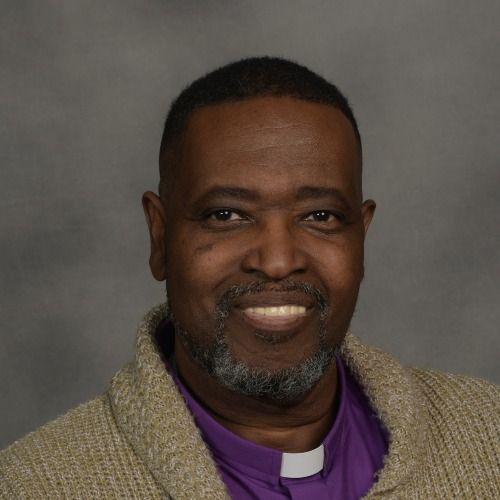
Speaker A:Until next time, I am Dr. Keith Haney and thank you so much for joining on Becoming Bridge Builders.
Speaker A:Becoming a bridge builder begins with compassion, grows through action, and changes the world one act of love at a time.
Speaker A:Thank you so much, Tina, for being a guest on the show.
Speaker B:Thank you was my honor.