The Ethical Bridge Builder: Navigating Hope, Science, and Fertility with Dr. Yemi
What happens when you must build a bridge across one of the most complex intersections of modern life: where cutting-edge reproductive science meets deeply personal faith? In this profoundly moving episode, we explore the role of a Bridge Builder when navigating the turbulent, often taboo waters of infertility and IVF. Joining us is Dr. Oluyemisi Famuyiwa, a seasoned reproductive endocrinologist with over 25 years of experience and author of The Quest for Fertility, to help demystify the medical journey while honoring the spiritual and emotional heart of the struggle.
Dr. Yemi unpacks the stark gaps in fertility education that persist across generations, challenging us to bring these sensitive conversations into the light. As Bridge Builders, we look directly at the difficult ethical dilemmas that arise with assisted reproductive technologies, examining the fine line between what is medically possible and what is ethically sound. Whether you are leading a family through your own fertility journey, supporting a loved one through heartbreak, or seeking to understand how to bridge the gap between clinical advancements and human compassion, this conversation serves as a guiding light of comfort, education, and hope.
Key Takeaways
- Bridging the Sacred and the Scientific: A core attribute of the Bridge Builder persona is the ability to connect seemingly opposing worlds. This episode demonstrates how leaders can harmoniously blend cutting-edge reproductive science with personal faith and hope during life-altering trials.
- Leading Through the Taboo With Compassion: True connection requires breaking down cultural silences. Bridge Builders lean into heavily stigmatized topics like infertility, cultivating open, safe spaces where shared experiences dismantle isolation and heartbreak.
- Navigating the Ethical Crossroads of Innovation: As medical technology advances, leaders cannot ignore the accompanying moral responsibilities. The discussion highlights the vital need for Bridge Builders to actively facilitate societal dialogue regarding the ethics of treatments like IVF.
- Constructing Early Foundations for Long-Term Health: Advocacy and proactive education are central to building a healthy future. Leaders emphasize the importance of educating younger generations about how early lifestyle choices directly impact long-term reproductive health.
- Holistic Support Systems for the Journey: The road to parenthood requires structural stability. Bridge Builders advocate for integrating professional counseling and transparent communication to help individuals navigate the intense emotional and financial burdens of modern medicine.
Links referenced in this episode:
Transcript
What happens when hope, science and faith collide in one of the most emotional journeys of life?
Speaker A:For millions, the path to parenthood is not simple.
Speaker A:It is filled with waiting, heartbreak and difficult decisions.
Speaker A:Today on Becoming Bridge Builders, we explore fertility, IVF and the ethical crossroads families face along the way in this.
Speaker A:Is modern reproductive science a gift?
Speaker A:Or does it raise questions that we're not asking enough?
Speaker A:This is a conversation about life, legacy, and the courage to keep believing.
Speaker A:Welcome to Becoming Bridge Builders, the podcast where we bring together faith, science, real life conversations to foster understanding and connection.
Speaker A:I am your host, Reverend Dr. Keith Haney.
Speaker A:Today's topic is one that touches deeply on identity, hope and the human experience.
Speaker A:The journey toward fertility and parenthood.
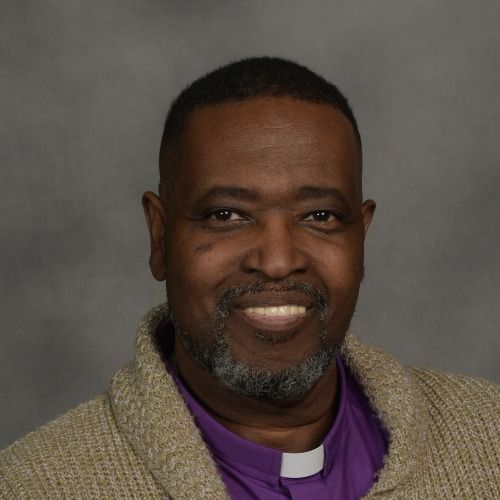
Speaker A:Joining me is Dr. Yemi from Yiwa.
Speaker B:Yes.
Speaker A:A board certified reproductive endocrinologist, NIU trained physician and founder of Montgomery Fertility Clinic in Maryland.
Speaker A:With over 25 years of experience in IVF and fertility care, she has helped thousands of individuals and couples navigate this complex journey with clarity and compassion.
Speaker A:She's also the author of the new book the Quest for Fertility, the host of Fertility Talks podcast where she makes complex reproductive science practical and understandable, all the while engaging in deeper questions of faith, culture, and stewardship.
Speaker A:Doctor, welcome to the podcast.
Speaker B:Thank you.
Speaker B:Thank you for having me.
Speaker A:So good to have you on.
Speaker A:I'm looking forward to this conversation.
Speaker A:It's one of those questions that so many people today are dealing with with.
Speaker A:With science and all these advances, we always like to know what's the story behind the science and ethical questions those are raised.
Speaker A:So we're gonna dig into that.
Speaker A:But before we jump into that, I'll ask you my favorite question.
Speaker A:What's the best piece of advice you've ever received?
Speaker B:Ah, best piece of advice I've ever received is biology does not wait for timing.
Speaker A:Mm.
Speaker B:Yeah, that's the best.
Speaker B:Beautiful.
Speaker B:And it, it, it's part of what we are going to explore today.
Speaker B:And I got that from some of my earlier mentors.
Speaker B:And I go, that's a good point.
Speaker A:Yeah, it is a good point.
Speaker A:I'm so glad you mentioned.
Speaker A:That's really good.
Speaker A:So we're gonna have fun digging this conversation.
Speaker B:Yes.
Speaker A:So let's talk about your book.
Speaker A:The Quest for Fertility speaks directly to people navigating one of life's most emotional journeys.
Speaker A:What inspired you to write this book?
Speaker A:After decades of clinical experience?
Speaker B:I think I was inspired to write the Quest for Fertility because I kept seeing a recurring theme year after year after year.
Speaker B:And maybe because I've been doing it for a while, but it seems as if I'm getting more of it and I'm seeing women that I wish they had come to see me 10 years earlier.
Speaker B:And just seeing that over and over again, I'm like, there's not enough education out there.
Speaker B:Just not enough.
Speaker B:And then I did my podcast, Fertile Talks, trying to help that I put YouTube videos out.
Speaker B:But still, I wanted a place where I could distill everything together.
Speaker B:And I thought if I brought in patients stories, if they could see themselves in the stories, perhaps I could help them understand a little better.
Speaker B:And that's when the idea started brewing in my head to put everything I've been doing.
Speaker B:I've been writing blogs for years, writing articles.
Speaker B:You know, my YouTube channel is old.
Speaker B:I've put out random posts over social media.
Speaker B:But for the first time, I wanted to put everything together and put it in one place.
Speaker B:And that's part of the story.
Speaker B:The other side of the story is I also teach.
Speaker B:And patients come to see me heartbroken sometimes, saying, wow, those doctors never understood.
Speaker B:They never got me.
Speaker B:They just.
Speaker B:I couldn't even explain myself.
Speaker B:So part of my book also will serve to teach newer people going into the medical field, Both medical students, GYN residents, PA nurse practitioner students, to hear the story from the other side, to wear the shoe, so to speak, of the patient.
Speaker A:That's powerful.
Speaker A:I'm curious, as you think about the book that you're writing and the experience you have, what gaps are you seeing and how people were understanding or misunderstanding the fertility journey?
Speaker B:Oh, gosh, so many.
Speaker B:Where do we start?
Speaker B:The biggest recurring gap, and you would think with all the information out there, that it would not be a gap anymore, would be the fact that people simply don't understand their biology.
Speaker B:Right?
Speaker B:I mean, you can talk to all these Gen Zs out of there.
Speaker B:They know AI, they know programming, they know investment, barn banking.
Speaker B:You know, they could, you know, go riddles in the most complex of data and accounting and all that, but they still don't get basic high school biology.
Speaker B:They still don't get it.
Speaker A:And why do you think that is?
Speaker A:Why is.
Speaker A:Why is that something that people are just missing?
Speaker B:I think because we have not normalized talk around fertility.
Speaker B:We haven't.
Speaker B:We've talked in general about, you know, your heart problems, about cancer, about smoking prevention.
Speaker B:But fertility still remains the one area of taboo, if you will, that we haven't talked about freely across cultures, don't matter where you are.
Speaker B:And that has perpetuated this gap, this knowledge gap that I keep seeing.
Speaker A:So how does your book Aim to move people from this void of information to being more informed and make more empowered choices.
Speaker B:Okay, so the book is geared to moving people because I dissect the hardcore science in basic fourth, fifth grade language.
Speaker B:Right.
Speaker B:So you get it, you read it and you go, aha, I get it.
Speaker B:I actually understand it.
Speaker B:Because if I cannot bring you to understand, I cannot bring you to make changes.
Speaker B:So for me to effectuate a change, I need to bring all the science down to.
Speaker B:To a level that people will understand and can consume.
Speaker A:That's great.
Speaker A:We have been blessed with six children, so fertility was not an issue that we dealt with.
Speaker A:But I know that a lot of couples do.
Speaker A:As you work in this field with couples, what's the most common challenges individuals and couples face when they're trying to conceive?
Speaker B:I think most people.
Speaker B:Well, where does it start?
Speaker B:The biggest challenge, I think, starts before people even think about conception.
Speaker B:Right.
Speaker B:Because, you know, you're not thinking about family when you're in your 20s or a teenager.
Speaker B:But sometimes most of the damage can be done in that age group that may be irreversible.
Speaker B:Right.
Speaker B:So the first thing is that most people are not aware of what could affect their fertility.
Speaker B:And the biggest challenge is they really don't start thinking about fertility until after they've met the partner, built the big house, settled down a little bit, and then, oh, yeah, now let me think about fertility.
Speaker B:Duh.
Speaker B:It doesn't work that way.
Speaker B:Right.
Speaker A:So you said most of the damage is done in their younger years.
Speaker A:What are some of the things that young people are doing that is making this.
Speaker A:The damage that they're causing to their bodies?
Speaker B:So I guess I'll refrain them.
Speaker B:I wouldn't say most of the damage because some of the damage is actually just ongoing biology.
Speaker B:Your biological rhythm.
Speaker B:Right.
Speaker B:Your eggs have a time limit on them.
Speaker B:But some of the things that people are not aware about is.
Speaker B:Is simple things like std.
Speaker B:Std's can have lasting damage on their fertility.
Speaker B:Right.
Speaker B:If they have STDs, it could affect their tubes.
Speaker B:It could block their tubes that they don't have any awareness about.
Speaker B:So, yeah, So I think people may not understand that.
Speaker B:I think just having the.
Speaker B:I would look forward to say, okay, what are the things that.
Speaker B:What do we look forward to that could be a big problem, such as STDs, for instance, what things can affect your fallopian tube or what can affect the uterus implanting embryos.
Speaker B:And then some people don't even know, for instance, even for men, some of them may Have.
Speaker B:I would say some of them may have abnormal semen parameters that they simply were not aware of.
Speaker B:They just simply didn't know.
Speaker B:Right.
Speaker B:So sometimes it takes a while for them to figure out, I guess, what are the things that.
Speaker B:What are the things that you should be looking out for both men and for women that can affect their fertility?
Speaker A:Yeah.
Speaker A:What are those things that they should be looking at?
Speaker A:Because I'm thinking as if you're a young person and you're hearing this, you're going, I had no idea that the lifestyle choices I'm making early on may impact me down the road.
Speaker A:So what are some things, positive things that they should be doing to the future?
Speaker B:Yeah.
Speaker B:So things that can affect your sperm health, for instance.
Speaker B:Most people are unaware of their environment can simply affect their semen parameters, sperm numbers, you know, semen count, if you will.
Speaker B:And what can make the sperm healthy or not healthy?
Speaker B:You know, if you are not healthy.
Speaker B:So think simple things that can help you with increase your overall health.
Speaker B:If you have poor health, that can affect your poor health, can overall affect your sperm, for instance.
Speaker B:Most people don't know.
Speaker B:So, yes, it's biology.
Speaker B:But some of the things that can affect us would be things we're not aware of.
Speaker B:If you're not healthy, your sperm and your eggs are not going to be as healthy.
Speaker B:So one of the things you can do is try to be as healthy as you can.
Speaker B:And I think most people don't think about that.
Speaker A:Right.
Speaker A:Not until we have to, doctor.
Speaker A:Or we have to change something.
Speaker B:Right?
Speaker B:Exactly.
Speaker B:Exactly.
Speaker A:So how has science and IVF and reproductive endocrinology evolved over the last 25 years?
Speaker B:Okay.
Speaker B:So I think over the years, fertility and ivf, if you will, has evolved because the success rate that we have, we're better at the science, so we have better success rate with fertility.
Speaker B:You know, you might say, for instance, ivf.
Speaker B:Right.
Speaker B:IVF maybe in the beginning had low success rate.
Speaker B:Now the technology has improved drastically.
Speaker B:So the success rate has increased over time because just the technology has evolved over time.
Speaker A:Cool.
Speaker A:So I know IVF is one of those things that's become somewhat controversial in some fields.
Speaker A:And I'm kind of.
Speaker A:I want to kind of dig into some of the ethical things surrounding ivf.
Speaker A:What are some of the most common ethical concerns surrounding IVF and assisted reproductive technologies that people are asking in your field today?
Speaker B:Yeah.
Speaker B:So I think you're right that the ethics of fertility, we should have an ongoing conversation about our ethical conversations.
Speaker B:So science should be.
Speaker B:God should give us knowledge.
Speaker B:Right.
Speaker B:Science is like driving a car right down the road.
Speaker B:Your ethics and your values are the steering wheel to steer you where you should go.
Speaker B:Right.
Speaker B:So just because you can doesn't necessarily mean you should.
Speaker A:Right.
Speaker B:So that's where I think that science and ethics and values should be an intertwined, ongoing conversation.
Speaker A:So let's.
Speaker A:Some of the things I work on a lot of pro life groups that I'm on several boards, some of the issues around embryo selection, storage, disposal raise moral questions.
Speaker A:Tell us a little bit about that.
Speaker A:How do, how do doctors wrestle with those, those topics in this field?
Speaker B:Yeah, I think that the ethics of it can be extremely challenging.
Speaker B:One of the things I try to do is not bring my own values or my own views to patients.
Speaker B:So I do.
Speaker B:And I think this is where fertility conversation is important.
Speaker B:I really practice in my practice.
Speaker B:I do so hand in hand with several psychologists and psychologists and counselors.
Speaker B:And even the people that have faith based background, for instance, will work with some Jewish rabbis because they have certain things they need to do over the embryo or certain prayers that they do.
Speaker B:So I try not to cloud my patience with my judgments.
Speaker B:I don't bring judgment to the table.
Speaker B:But I do think that people need to have that conversation about their values before they begin this journey.
Speaker B:Right.
Speaker B:So what may be okay for me may not be okay for you.
Speaker B:Where do you stand with your values?
Speaker B:And if you haven't thought about it, but faith based or even just whatever value you bring, then you need to have that conversation with your rabbi, your imam, your pastor.
Speaker B:And I work hand in hand with those individuals because I do.
Speaker B:I have patients from different faith backgrounds.
Speaker A:Sure.
Speaker B:So my job is to respect their faith and their values and not superimpose mine on top of it.
Speaker A:How much conversation goes into this process with the patient about exactly what is happening during the fertility process?
Speaker A:I wonder sometimes as you're going down this journey, what's the counseling look like in terms of the stress of this, the frustration, the cost?
Speaker A:All of those things are part of this journey.
Speaker A:So how do you walk patients through all of this difficulty of this whole process with them?
Speaker B:Yeah.
Speaker B:So the counseling is like a landmine, if you will.
Speaker B:How do you work through all the counseling?
Speaker B:I would say the first thing is to listen to first be patient and listen to people.
Speaker B:Because you'll find out that if people feel heard, they can bring up whatever issues they may have.
Speaker B:Right.
Speaker B:They may be able to divulge what's in their mind.
Speaker B:And so for those patients, I would say.
Speaker B:You should have counselors.
Speaker B:I do have specific counselors that we recommend our patients to.
Speaker B:Right.
Speaker B:So I think it's very important that patients have counselors or psychologists that they work with and be patient and listen to the patients.
Speaker B:You know, I think for most of my patients, I do.
Speaker B:I think it's.
Speaker B:You just have to listen to the patients.
Speaker B:Because if you take the time to listen to the patients, you might be surprised.
Speaker B:So I think the first thing is just to be patient with the patient, to listen to them.
Speaker B:And I think if I do that, if I listen to the patient, then they can.
Speaker B:I think we have a big discussion first.
Speaker B:I do encourage patients to seek counseling, but mostly importantly is to.
Speaker B:I think most patients just want to be heard.
Speaker B:They want someone to listen to them and take the time to hear them out, is what I'm finding out.
Speaker B:And that has to do with.
Speaker B:Even I have patients who are.
Speaker B:Even physicians who have told me that they just never felt heard.
Speaker B:And I think just being patient, just taking the time and just letting the patients bring whatever is on their mind, whatever it is they want to talk about, if they want to vent, I take my time to listen to them and just let them say what's on their mind.
Speaker B:Then they're willing to listen to you.
Speaker A:Sure.
Speaker A:Yeah.
Speaker B:I think working with counselors, I think is very important because you cannot, you cannot superimpose your values on patients.
Speaker B:And sometimes patients, they want an avenue where they can talk to someone.
Speaker B:They want someone to talk to someone who's compassionate before they go forward.
Speaker B:So that's what I found out with our patients.
Speaker B:It's just working with a counselor or someone that they can listen to.
Speaker B:And if it's a faith based person, that's fine, versus a psychologist or a psychiatrist, mostly counselors, to sit down with people.
Speaker B:And then for most of the people that I see is if they've had a chance to talk to someone, I think they find it very useful for them.
Speaker A:I'm curious, I was thinking about this.
Speaker A:How much is typical cost when you start this process?
Speaker A:I'm sure it changes.
Speaker A:But say you go through this process, what could a couple expect to spend in this process to reach their goals?
Speaker B:Okay, so the amount of money.
Speaker B:Now, we are very blessed that I practice in the state of Maryland and I think there are some states, like Illinois, for instance, that have insurance coverage.
Speaker B:Right.
Speaker B:So in states that have universal coverage for fertility, then it's not as expensive.
Speaker B:For people who do not have insurance coverage, you can easily top at least 20,000 without insurance.
Speaker B:Right.
Speaker B:So I'm very fortunate that we work in the state of Maryland, because we do have insurance.
Speaker B:Mandated, actually mandated insurance coverage.
Speaker B:And because of that, the cost has been brought remarkably low.
Speaker B:But without insurance, it can be anywhere from 15 to 20,000.
Speaker A:Wow, that's interesting.
Speaker A:Yeah.
Speaker A:Wow.
Speaker B:Yeah.
Speaker A:So you've made it your mission to equip people with knowledge before they reach a crisis point.
Speaker B:Yes.
Speaker A:What proactive steps can individuals take to protect their reproductive health?
Speaker B:Proactive things that people can do is simply make sure you're in over overall health.
Speaker B:You know, your eggs are as healthy as your body.
Speaker B:Right.
Speaker B:So make sure you don't have runaway diabetes.
Speaker B:If you have polycystic ovary syndromes or irregular cycles, talk to your dad, talk to your doctor.
Speaker B:If you have thyroid problems.
Speaker B:People have no idea.
Speaker B:Thyroid problems can actually cause infertility.
Speaker B:Either too little or too much of it.
Speaker B:So basic things like that, like I said, Even STDs that people are not aware of.
Speaker B:I think one of the things that gentlemen can do, because most people don't know, is check your baseline semen parameters anyway.
Speaker B:You are assuming that they're normal.
Speaker B:What if they're normal?
Speaker B:What if they're not?
Speaker B:And doing that, I call it the vital sign for men, because that can point you.
Speaker B:I've diagnosed testicular cancer based on a semen analysis that was abnormal.
Speaker B:And I started digging into it.
Speaker B:I referred him to a colleague of mine who now say, oh, yeah, he has to.
Speaker B:He had no idea.
Speaker B:So they were able to cure it early enough.
Speaker B:Right.
Speaker B:So, you know, doing ovarian reserve testing to let you know, is your ovary starting to run out of eggs faster than you know, you'll never know about quality until you try to get pregnant.
Speaker B:Right.
Speaker B:But you do have agency.
Speaker B:You can try to save the best quality eggs you have.
Speaker A:Right.
Speaker B:Which will be in your 20s and early 30s, because as you get older, they just simply get more and more compromised with time.
Speaker A:Man, I learned so much.
Speaker A:Thanks.
Speaker A:That's really interesting.
Speaker A:So what gives you hope as you think about the future?
Speaker A:Fertility care,.
Speaker B:Hopeful things.
Speaker B:Hopefully with more advancing in science, maybe we may be able to correct some of the abnormality that we see in the mitochondria of eggs that makes them age.
Speaker B:And you start to get chromosomal errors.
Speaker B:So that's one thing science can do.
Speaker B:But I think that the more we have the conversation and the more people know and they go get answers sooner rather than later, a lot of the heartache that I see can simply be averted.
Speaker A:So I'm going to ask you my other favorite question.
Speaker A:What do you want Your legacy to be.
Speaker B:Legacy.
Speaker B:If I could honestly.
Speaker B:My legacy is in the babies that I see.
Speaker B:The baby pictures they send to me every day that makes my heart sing every single day.
Speaker B:If I can help one couple overcome the stigma of infertility, one couple build their family, that's a huge legacy.
Speaker B:My second legacy are all the doctors and nurses and PAs and nurse practitioners that have trained and are graduating now and coming back into the field.
Speaker B:Huge, huge joy.
Speaker B:Joy.
Speaker A:Wow, that's so neat.
Speaker A:Yeah, I bet those baby pictures are just so rewarding.
Speaker B:Yes, yes, yes.
Speaker A:So on the seas, we have something new.
Speaker A:We have a surprise question.
Speaker A:Pick a number between 1 and 10 for your surprise question.
Speaker B:Oh, gosh.
Speaker B:What is the question?
Speaker B:Question?
Speaker A:No, what number?
Speaker B:What number?
Speaker B:10.
Speaker A:10.
Speaker B:All right.
Speaker A:What book belongs on everybody's bookshelf?
Speaker B:Well, I think, I think.
Speaker B:But you know, I don't want to get in trouble, but I think the Bible.
Speaker B:The Bible.
Speaker B:Yeah.
Speaker A:Well, another question.
Speaker A:So take it a little bit.
Speaker A:What book in your life has been, besides the Bible has been one that has been so inspirational for you?
Speaker B:I would say I read a lot of John Maxwell books.
Speaker A:All of his books.
Speaker B:Yeah, yeah, all of his books.
Speaker B:It's like I learn something new every day, so I read that a lot.
Speaker B:I can't say enough about his books.
Speaker B:I love those books.
Speaker B:I do a lot of leadership books, you know, and that could be from any author.
Speaker B:I do a lot of.
Speaker B:A lot of leadership books that I like to do.
Speaker A:That's great.
Speaker B:Yeah.
Speaker A:So, doctor, where can people find you on social media and get your new book?
Speaker B:Yes, you can look for me on dryami mail.com.
Speaker B:You can look for me on YouTube and you can look for me on LinkedIn.
Speaker B:I have my LinkedIn channel there.
Speaker B:And then montgomeryfertilitycenter.com is all the places you can find find me.
Speaker A:So I would say spell your last name for us, those who are looking for you.
Speaker B:Uh huh.
Speaker B:It's F as in frank.
Speaker B:A FA m u mu y I Y wa FA mu yi wa.
Speaker A:Well, doc, thanks so much for reminding us that the journey to parenthood is not about not only medical, it's also deeply human, emotional, and often spiritual.
Speaker A:Your work challenges us to approach fertility not from fear, but with knowledge, compassion and intention.
Speaker A:To our listeners, if today's conversation spoke to you, encouraged you, and gave you new insight, don't keep it to yourself.
Speaker A:Share this episode with someone navigating their own fertility journey.
Speaker A:Subscribe to Becoming Bridge Builders for more conversations that matter.
Speaker A:And be sure to check out Dr. Yemi's quest for fertility and her Fertility Talks podcast for deeper guidance and understanding.
Speaker A:Let's continue to build bridges between science and faith, between knowledge and compassion, between hope and healing.
Speaker A:Thank you so much for being a guest on the show today.
Speaker B:Thank you so much.
Speaker B:I appreciate it.