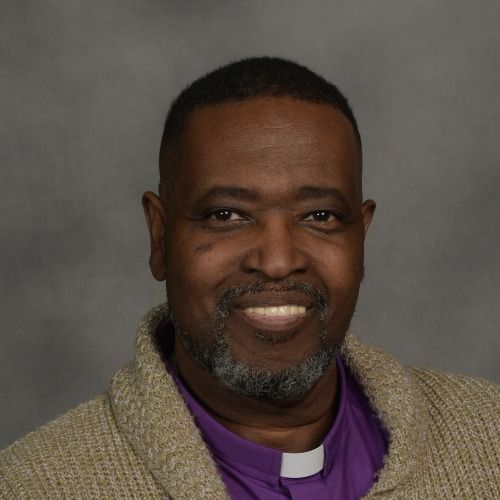
Unlocking the Secrets of Cat and Dog Theology: A Divine Perspective
Rethinking our relationship with God is the cornerstone of this episode, in which we dive deep into the enlightening analogy of cat-and-dog theology. Gerald Robison, drawing from a wealth of experience in ministry and coaching, shares a profound piece of advice: don’t waste time on tasks that others can handle when you have unique contributions to make. This principle not only helps manage workload but also frames a critical discussion of how our perspectives shape our spiritual growth. We explore the common pitfalls of viewing God as a mere servant to our desires, much like a cat expects its staff to cater to its whims, versus the faithful, devoted relationship exemplified by dogs. Through humor and insightful anecdotes, we challenge listeners to embrace a God-centered faith that truly glorifies Him, rather than a self-serving approach that leads to disappointment and spiritual stagnation.
Exploring the intricate dynamics of our relationship with God, the episode delves into the thought-provoking concept of 'Cat and Dog Theology.' This analogy, presented by our guest, humorously illustrates the contrasting attitudes between dogs, who view their owners with reverence and gratitude, and cats, who often act as if they are the center of the universe. The discussion kicks off with a profound piece of advice: prioritizing tasks that only we can do, inspired by Eisenhower's Matrix—a tool for effective time management that encourages us to distinguish between what must be done by us and what can be delegated. As we navigate through the episode, the conversation transitions to the heart of spiritual maturity, examining how our interactions with God often mirror a cat's self-serving attitude. The guest emphasizes that many believers treat God as a mere staff member, calling upon Him only when in need, rather than recognizing Him as the sovereign authority deserving of our devotion and service.
The episode doesn't shy away from addressing contemporary challenges faced by the Church, where a tendency to pursue grand visions without concrete strategies can lead to isolated congregations. Gerald points out that this introspective focus can stunt spiritual growth, urging listeners to embrace a more communal approach that aligns with God's purpose for the Church—to reach all nations with the Gospel. As the conversation unfolds, listeners are encouraged to reflect on their prayers, dissecting the often selfish nature of petitions that prioritize personal desires over divine will. Through witty anecdotes and insightful reflections, we are invited to reconsider our spiritual practices, shifting from a 'me-centered' faith to a 'God-centered' one, in which glorifying God becomes paramount.
In a world that often equates success with personal gain, the episode poignantly reminds us that true fulfillment lies not in seeking comfort but in embracing the challenges that shape our faith. The guest's compelling narrative reveals how adversity can serve as a vehicle for growth and a deeper understanding of divine purpose, encouraging us to trust in God's overarching plan rather than our limited perspective. As we conclude, the episode leaves us with a powerful call to action: to live for God's glory, to build bridges within our communities, and to foster a global perspective that seeks to honor Him in all aspects of life.
Takeaways:
- The best advice often involves focusing on what only you can do, avoiding distractions.
- Eisenhower's decision-making matrix helps prioritize tasks by asking if they need to be done by you now.
- Cat and dog theology illustrates how many treat God as a mere staff member instead of a master.
- Christians often misuse God for personal gain rather than recognizing their purpose in serving Him.
- The concept of 'winner's circle theology' can distort our understanding of God's plan in times of hardship.
- Missions work thrives when we align our goals with God's purpose for all nations, not just ourselves.
Links referenced in this episode:
Transcript
I'm doing super.
Speaker A:Thanks so much, Keith.
Speaker B:So good to have you on.
Speaker B:I'm going to ask you my favorite question before we jump in here.
Speaker B:What's the best piece of advice you've ever received?
Speaker A:Best piece of advice I received was don't do something someone else can do when you could be doing what only you can do.
Speaker B:I think I've heard that before.
Speaker B:That's good advice.
Speaker B:I love that.
Speaker B:And how have you applied that in your work?
Speaker A:Well, it's been able to separate my workload.
Speaker A:I measured things by whether or not they have to be done.
Speaker A:If so, do they have to be done by me, and do they have to be done now?
Speaker A:And General Dwight D. Eisenhower, President Eisenhower, he had a lot on his plate and he devised what he called the Eisenhower Matrix.
Speaker A:Do I have to do it?
Speaker A:Do I have to do it now?
Speaker A:Can I get somebody else to do it, or does it not have to be done?
Speaker A:And that has really helped me sort out a lot of things in my older age.
Speaker A:Because time becomes more valuable,
Speaker B:most definitely.
Speaker B:You start to count the days and hours as you get older.
Speaker A:And the older you get, the faster they go.
Speaker B:That's right.
Speaker B:The faster they go.
Speaker B:I agree with that.
Speaker B:So let's dive into the heart of some of the things that people may not know about your book, cat and Dog Theology.
Speaker B:What is cat and dog theology?
Speaker A:Well, it sounds like a book for children, cats and dogs, but it really is an analogy of how Christians relate to their master.
Speaker A:We know him as God, and it's based on a joke about cats and dogs.
Speaker A:They say dogs have masters and cats have staff.
Speaker A:And, you know, a cat figures.
Speaker A:You're there to feed them when they want it, leave them alone when they want it.
Speaker A:You're there to stroke them or pet them when they want it, and again, leave them alone when they want it.
Speaker A:And so many people seem to treat God that way.
Speaker A:When they want him to do something, they call on him.
Speaker A:The rest of the time, they don't want to be bothered.
Speaker A:It's also been said a dog will look at you and say, you feed me, you pet me, you shelter me, you love me.
Speaker A:And he concludes, wow, you must be God.
Speaker A:A cat will look at you and say, you feed me, you pet me, you sell to me, you love me.
Speaker A:Wow, I must be God.
Speaker A:And so many Christians that we do tend to treat God as a staff member.
Speaker A:We tell him what we want, when we want it, and we're disappointed if he doesn't do it it that way.
Speaker A:And that certainly interferes with our spiritual growth and spiritual maturity.
Speaker B:I love that.
Speaker B:So you've worked a lot with ministers and pastors and help coach them and a lot of mission work.
Speaker B:What are some of the common things you notice that are challenging the church and pastors today?
Speaker A:I think the big challenge is wanting to get.
Speaker A:Wanting to do big things, but not having a big dream and strategy to get there.
Speaker A:And if you are big enough, then the problem is you don't cooperate with others.
Speaker A:You think we can do it on our own, and your church becomes its own little ivory tower.
Speaker A:We do it the way we do it the way we want.
Speaker A:And if anybody else wants to do it, they can join us, but we're not going to join them.
Speaker B:Sounds a lot like I think about the way we think about God, too.
Speaker B:It's like, hey, God, I'm doing this.
Speaker B:Come join me in this thing I'm working on.
Speaker A:That's right.
Speaker A:That's so right.
Speaker B:I love the fact that you challenge us to rethink our relationship with God.
Speaker B:What do you think most people get wrong?
Speaker B:And we talked about a little bit about the cat and dog theology, but what do you think most people, even Christians, lifelong Christians, go wrong in their connection with God?
Speaker A:I think the biggest thing is something that they don't admit right off.
Speaker A:But we tend to use God to get what we want, to do what we want, to be what we want.
Speaker A:And we tend to live, even though we might say we live for God, if we do an analysis, we tend to live for ourselves, expecting God to get us through life safe, soft, easy and comfortably.
Speaker A:And if he doesn't, then we have questions for God, like, God, why?
Speaker A:Why did you do that?
Speaker A:Or why didn't you do that?
Speaker A:And I found that it's often not a question as much as it is an accusation.
Speaker A:God, you didn't do what I wanted.
Speaker A:Why not?
Speaker A:You're not doing your God job very well.
Speaker A:And that's a problem.
Speaker B:It is a problem.
Speaker B:When Christians have that mindset of God didn't do what I want, how does that play out?
Speaker B:I'm thinking, particularly in my mind when tragedy happens in a Christian's life and it seems like God failed them, how do they manage?
Speaker B:How do you help people manage the fact that your perception of God not being there for you is inaccurate.
Speaker B:When they think that God's like this, I would call him, you know, he's this genie.
Speaker B:You rub the Bible and God gives you what you want, kind of.
Speaker A:Right, Right.
Speaker A:And it was never intended to be that way.
Speaker A:We are here for God.
Speaker A:God's not there for us.
Speaker A:I mean, he is there for us, but that's not the purpose of God.
Speaker A:He's not there to be the genie in the bottle and to pop out whenever we have a catastrophe or a crisis.
Speaker A:God is being God all along and we fit into his plan.
Speaker A:And I think that's what cat and dog theology tries to get back to.
Speaker A:We elevate the glory of God and not the the wishes of man.
Speaker B:Right.
Speaker B:I love that.
Speaker B:So your book focuses on two good two major theories, the ME theory, ME centered faith and the God centered faith.
Speaker B:How do you help shift people from the ME centered faith to, to the God centered faith?
Speaker A:Well, when I do a cat and dog theology seminar, I use a lot of humor.
Speaker A:I use the cat and dog theology jokes.
Speaker A:And when you do that, people tend to lower their defenses when they're laughing, they're having a good time, and they don't hold up a lot of excuses to be the way they are while their defenses are down.
Speaker A:Then you can show them scripture and they'll think, oh, you got me, Yeah, I do that.
Speaker A:For instance, I'll ask people, when you read your Bible, if you have a Bible that you highlight, underline and take notes in and someone were to thumb to your Bible, what are those notes usually about?
Speaker A:And the truth is those verses are usually about God taking care of us, watching over us, giving us what we need, being there, we want it, and we're confident that God will do all he needs to do to satisfy our need or our desire.
Speaker A:And we forget that we are here for God, not the other way around.
Speaker A:God does have a purpose.
Speaker A:God does have a plan for your life, for my life, for every listener who's tuned in today.
Speaker A:But that purpose is not to keep us safe from every trial or load bearing problem in life.
Speaker A:God's purpose is to make us like Christ, so we are like him when we arrive.
Speaker B:Your book has 11 dangers of cat theology and I love some of these.
Speaker B:Feel good theology.
Speaker B:Tell us a little bit about the feel good theology.
Speaker A:Well, to some degree we tend to think God is there to make us feel good.
Speaker A:We read the Bible verses that make us feel good.
Speaker A:Where God says, I will never leave you, I will never forsake you.
Speaker A:Be courageous.
Speaker A:I'll be with you always.
Speaker A:We read those feel good verses and we underline them, they highlight them, we preach about them.
Speaker A:But when we get to the verses that don't make you feel good, we tend to ignore them, jump over them, or say, I don't understand that.
Speaker A:I'LL understand it later maybe.
Speaker A:And truthfully, we do understand it.
Speaker A:We just don't like what it is we've come to understand.
Speaker B:You know, that feel good church is so much fun to go to.
Speaker A:And it's much easier to give your tithe and offering there too.
Speaker A:They made me feel good.
Speaker A:I'll deal some dollars off you.
Speaker B:I always say those are those kind of places where you treat God like he's a waiter.
Speaker B:If it was a good message, I'll give you a good tip.
Speaker B:If it's not a good message, I'll give you not as good a tip.
Speaker A:That's right.
Speaker A:And some pastors have signed on to that.
Speaker A:There's one pastor in particular I won't call names right now.
Speaker A:But he is always smiling and he always wants to smile.
Speaker A:He doesn't want to frown.
Speaker A:He doesn't want to tell you some things may be difficult, dangerous, hardship.
Speaker A:He doesn't want to call you into that.
Speaker A:He wants everything to be nice and smooth and easy, safe, soft, easy and comfortable.
Speaker A:And life's just not that way.
Speaker B:Right?
Speaker A:And when it's not that way again, if you don't have a good foundation about us being there for God, then you will accuse God of not doing his God job well because you're not feeling good.
Speaker B:You have another chapter I wanted you to talk about a little bit too, and that is the Cat Pray.
Speaker B:Selfish prayers.
Speaker B:What is that kind of tell us about what are selfish prayers.
Speaker A:Well, let me take you on a little trip.
Speaker A:I was with a friend of mine at a Burger King and I said, I'll pay you.
Speaker A:Pray.
Speaker A:And he prayed, dear God, thank you for what we are about to receive.
Speaker A:Make us truly thankful.
Speaker A:I said, whoa, wait a minute.
Speaker A:Do you realize what you just said?
Speaker A:He said, yeah, I asked God to bless the food and make us thankful.
Speaker A:I said, well, wait, why would you ask him to make you thankful?
Speaker A:Shouldn't you be thankful if somebody, Christmas is right around the corner?
Speaker A:If your wife gave you the very best present you ever desired, are you going to say to her, thank you now I've received it, make me thankful for it.
Speaker A:No, that's not her job to make you thankful.
Speaker A:That is a condition that you should have upon the receipt of a gift.
Speaker A:How about this?
Speaker A:God bless the food that we are about to eat.
Speaker A:Wait a minute.
Speaker A:What will God do to your cheeseburger that he will not do to the cheeseburger of the guy in that booth over there?
Speaker A:Will God make it nourish my body?
Speaker A:And God's thinking, that's what food does, I don't have to bless it.
Speaker A:That's why I made it.
Speaker A:And so we tend to pray.
Speaker A:These prayers that are either self centered or we haven't thought through.
Speaker A:They are words that we have picked up from other people that don't really mean much.
Speaker A:I mean, really, if God made food to bless you and you say, God bless this food to the nourishment of my body, what do you expect God to do?
Speaker A:That's a nonsense prayer.
Speaker B:See, now you've ruined all those people's, those pet prayers that people have.
Speaker A:Well, I hope so.
Speaker A:I hope they would get that book, cat and dog prayers.
Speaker A:Because it will go into a lot of prayers that you and I have grown up with that we think are very special.
Speaker A:They're almost holy prayers.
Speaker A:And when we analyze it, we find out, no, not so much.
Speaker B:Yeah, they're often backwards in terms of what we're asking.
Speaker B:Yeah.
Speaker B:We are asking for things that God already has done and not thinking.
Speaker B:Yeah.
Speaker A:And things that he promised to do.
Speaker A:For instance, parents when their kids go off on the mission trip will say, God bless them, be with them.
Speaker A:And God's thinking, wait a minute, I promised you I would be with you till the end of time.
Speaker A:What is it you're now asking me to do that I haven't already said I would do?
Speaker A:Oh, well, God, what I meant was be with them, make them safe, keep them safe.
Speaker A:And God might be thinking, why didn't you say that?
Speaker B:Right.
Speaker A:See, we don't think about the prayers.
Speaker A:We mimic the prayers that we've grown up with.
Speaker B:Well, it's a good thing that Paul reminds us that the Holy Spirit interprets the unusual musings of our heart.
Speaker A:Right?
Speaker A:Yes.
Speaker B:The things that we're meant to say that we did not say.
Speaker B:Yeah.
Speaker A:I wonder how many times the Holy Spirit says, oh man, I know what he means.
Speaker A:Why doesn't he say it right?
Speaker B:Well, I gotta fix this.
Speaker B:So I also, I love this other chapter, and I want you to talk about that a little too.
Speaker B:Is what's Winner's circle theology?
Speaker A:Winner's circle.
Speaker A:It says that you have to come out the winner of every event in life.
Speaker A:For instance, life will be fine if you are Job.
Speaker A:Yeah.
Speaker A:Job went through a lot of difficulties.
Speaker A:Difficulty.
Speaker A:Job lost his health, he lost his wealth, he lost his family.
Speaker A:He lost everything.
Speaker A:But in the end, God doubled it and everything came out fine.
Speaker A:Okay, that's Job.
Speaker A:But wait a minute.
Speaker A:What if you're not Job?
Speaker A:What if you are one of Job's children?
Speaker A:Well, preacher, they all died.
Speaker A:Yes, they did.
Speaker A:What does God have to say about that?
Speaker A:You know, I imagine those children had ambitions for life.
Speaker A:They wanted to get married.
Speaker A:They wanted to have children.
Speaker A:They wanted to give Job grandchildren.
Speaker A:But all of that was taken away.
Speaker A:But when we read the book of Job, we never relate to Job's kids.
Speaker A:We relate to Job who came out the winner.
Speaker A:We always choose the guy who comes out on top to want our life to emulate rather than understanding we might be one of those other people.
Speaker A:And we don't want lessons from those other people.
Speaker B:No, we don't.
Speaker B:We don't want to be those.
Speaker A:Right?
Speaker A:Yeah.
Speaker A:You know, Job's kids, they might have gotten to heaven and said, well, God, you know, I wanted to have kids, give my parents grandkids.
Speaker A:I wanted to do this, have that.
Speaker A:I wanted to grow my business, and now I can.
Speaker A:And God said, well, I'm sorry.
Speaker A:What did I say or do that made you think it was all about you?
Speaker A:You see, what I did in you by taking you out of life early, it has a tremendous effect on your father that other people will read about for thousands of years to come, and they will learn more about me through your untimely death than if I've let you continue longer.
Speaker A:But besides, look at all I have for you.
Speaker A:And with that, I can imagine God stepping out of the way, pointing toward the open pearly gates, and you see the extravaganza of heaven.
Speaker A:You know, Job's kids didn't lose anything of infinite worth.
Speaker A:But we forget about that because they're not in the winner's circle.
Speaker A:We don't want to learn that life may be short, that our children might die early, that they might die before we do.
Speaker A:I mean, life is tough.
Speaker A:Life has sin in it.
Speaker A:Life has the ramifications and the consequences of sin, and they plague everybody's life.
Speaker A:But we just want to be like the winner, the winner's circle.
Speaker A:If we're not there and we're not the winner, we fail.
Speaker A:We think God failed us.
Speaker B:Which kind of.
Speaker B:Kind of sums up a little bit of your other chapter where you talk about robbing God of his glory during hard times.
Speaker B:We don't like hard times.
Speaker B:It's like we pray that prayer.
Speaker B:God, give us patience, but don't make it too hard.
Speaker B:Right?
Speaker A:That's right.
Speaker A:I want patience the easy way.
Speaker B:Yeah.
Speaker B:I want patience the easy way.
Speaker A:Yeah.
Speaker A:The patience doesn't come like that.
Speaker A:That's like saying, I want muscles, but I don't want to work out.
Speaker A:You have to go through the pain of working out to get the muscles.
Speaker A:You have to go through difficulties to obtain that attitude of patience.
Speaker A:Now, I got into the patience thing.
Speaker A:I forgot your first question about that.
Speaker B:Oh, I was asking about your chapter about, you know, stunting God during the hard times.
Speaker A:Okay.
Speaker A:Yes.
Speaker A:And robbing him of his glory.
Speaker A:Well, you know, you probably are familiar with the name Corey Chen Boon Koi Ten Boom was the daughter of a watchmaker in the Netherlands back during World War II.
Speaker A:They were a Christian family.
Speaker A:And she and her family, everybody in the family, was arrested for harboring Jews during the Nazi occupation.
Speaker A:And for doing that, they were sent to concentration camps.
Speaker A:Her father died, her mother died, her sister died.
Speaker A:She's the only one left.
Speaker A:She slept with fleas.
Speaker A:I mean, flea infested accommodations.
Speaker A:And life was not safe, soft, easy, or comfortable for her.
Speaker A:But she found out later that the guards would not come into where she slept because they didn't want fleas.
Speaker A:So the fleas, while they were a problem for her, they relieved her of the determined oversight by the Nazi soldiers by being in the prison camp.
Speaker A:By going through that, by losing a family, by going through all the hardship and the dehumanization of such an event.
Speaker A:She came out and God says, now I can use you.
Speaker A:And it's because she went through those events that she was lifted up to a plateau whereby she could reach more people because of the hardship she went through.
Speaker A:And she reached more people that way than she ever would have if she'd had a safe, soft, easy, comfortable lifestyle.
Speaker A:And by doing that, by only concentrating on what happens to us right now in the immediacy, right now in Corrie Ten Boom struggles, we rob God of his glory because we don't see the glory of God ourselves.
Speaker A:For me, I developed tongue cancer.
Speaker A:It was not by choice.
Speaker A:The doctor said, you have tongue cancer, and that has to come out.
Speaker A:I thought, what has to come out?
Speaker A:He said, the cancer.
Speaker A:I thought, oh, good.
Speaker A:I thought you meant my tongue.
Speaker A:He said, well, that's where it was.
Speaker A:That's where it is.
Speaker A:So part of your tongue has to come out.
Speaker A:Now.
Speaker A:I'm distressed.
Speaker A:And I wanted to say, God, why did this happen to me?
Speaker A:And instead, because I was learning the cat and dog theology, I was learning this at that time.
Speaker A:I said, no, it's not about me.
Speaker A:I have the tongue cancer.
Speaker A:God is bigger than it.
Speaker A:He could have stopped it.
Speaker A:He could have kept it away, but he didn't.
Speaker A:Why not?
Speaker A:There must be a purpose.
Speaker A:And for the longest time, I did not know that purpose.
Speaker A:And so I struggled.
Speaker A:Not like I did when I thought life was all about me, but I still struggled.
Speaker A:The doctor said, you were fortunate when we took away part of your tongue.
Speaker A:If you imagine that hand is my tongue.
Speaker A:They took away a portion of my tongue that left this part of my tongue but an open wound.
Speaker A:And he said, we had some tongue material we grafted onto that.
Speaker A:It would be like a living band aid for a while.
Speaker A:Eventually that part we put on will die and fall off.
Speaker A:I said, well, what then?
Speaker A:He said, well, you'll either spit it out in the daytime or if it happens at night, you'll swallow it.
Speaker A:And I thought, oh, gross, that's terrible.
Speaker A:And he said, so I said, well, where do you get tongue material?
Speaker A:What is it and where do you get it?
Speaker A:He said, well, tongue material is tongue material.
Speaker A:Okay, where do you get tongue material?
Speaker A:He said, we get it from a cadaver.
Speaker A:I said, oh, a dead guy.
Speaker A:He said, yes, he wasn't using it anymore.
Speaker A:And so they put that in my mouth.
Speaker A:Years later, I had a recurrence.
Speaker A:And that time they took part of my arm and made half a tongue and put that in.
Speaker A:But it is amazing, the people that I'm now able to reach through having gone through that experience that I never would have reached without it.
Speaker A:If I had accused God of coming short on his God job, how wrong I would have been.
Speaker A:And I would have robbed him of the opportunity to bless me now to having gone through it, I don't want to be in those shoes.
Speaker B:Wow, that's powerful.
Speaker B:You have been involved in global missions.
Speaker B:And so how does your cat and dog theology influence the way we think about the Great Commission and reaching all people with the gospel?
Speaker A:Well, typically we will read portions of scripture.
Speaker A:Like when God blessed Abraham, he said, whoever blesses you, I will bless.
Speaker A:Whoever curses you, I will curse.
Speaker A:And we think, oh, wow, that, you know, that applies to us too.
Speaker A:And God's going to bless me.
Speaker A:He's going to bless me here, he's going to bless me there.
Speaker A:And we forget about the next part of that verse.
Speaker A:And it says, and all nations will come to glorify him.
Speaker A:He's going to reach all nations.
Speaker A:I thought, oh, if that is God's goal, to reach all nations, are there nations that have not yet been reached?
Speaker A:And the answer is yes, many.
Speaker A:Okay, if he's going to test me on whether my life was lived for him, might he ask me the question, you knew I wanted to reach all nations.
Speaker A:What did you do to help me accomplish that?
Speaker A:What did you do to build the kingdom in other nations?
Speaker A:Now I have a choice.
Speaker A:I can say nothing, I was busy being blessed, or I can say I found a way to impact the nations.
Speaker A:For you, I wanted to lift up and build up churches to understand the real goals that you have for us.
Speaker A:It's not about us building a bigger church here, is that while we build a bigger church here, we ought also to be building the church with a capital C, the kingdom of God.
Speaker A:Elsewhere, where it has never been.
Speaker A:There was a group in Lexington, Kentucky, a group of churches, different denominations.
Speaker A:They invited us to come and speak to them.
Speaker A:And we told them about this.
Speaker A:We went into detail and they were convicted.
Speaker A:They said, where, where are their unreached people groups?
Speaker A:People have never heard the gospel.
Speaker A:And we said, well, they're all over but one place is there in Nepal.
Speaker A:And they said, well, how many groups are there?
Speaker A:We said, there are 57 people groups, people, languages or culture groups that have never heard about Jesus.
Speaker A:And they said, well, what can we do?
Speaker A:Is there a way to reach them?
Speaker A:We said, we have a plan.
Speaker A:We would like to put a missionary in every one of those groups for three years.
Speaker A:At the end of three years, they should have built a self sustaining, self multiplying church.
Speaker A:Oh, and you think they can do that in three years?
Speaker A:Yes, we do.
Speaker A:We think they can build a church that will replicate itself and support itself.
Speaker A:Okay, how much will it cost?
Speaker A:Well, if you send an American, it's going to cost you one or two hundred thousand dollars a year for supplies and the livelihood of those.
Speaker A:But we want to send indigenous people, people who live nearby who have a sold out faith for God and send them in.
Speaker A:They already know the language, they're the proper color, they have the cultural attitude, they know what they're doing and they can do it far easier and faster than us.
Speaker A:How much?
Speaker A:That will take about $10,000 a year for three years.
Speaker A:And we said, so do you want to take some of those people groups in Nepal?
Speaker A:And they said, yes.
Speaker A:I said, how many do you want?
Speaker A:And they said, we'll take them all.
Speaker A:We said, well wait, wait, that's $10,000 a year for three years.
Speaker A:That's $30,000 for one missionary times 57.
Speaker A:They said, yeah, we understand, we'll do it.
Speaker A:And Keith, within 15 months, they had a missionary in every one of those 57 groups preaching the gospel, building a church, multiplying it.
Speaker A:And that was something that had not happened in 2,000 years.
Speaker A:And God did it in 15 months.
Speaker B:Wow.
Speaker A:Yeah, that's a pretty big wow.
Speaker A:So those people said, you know, if God can do that through us.
Speaker A:Maybe there are other cities he wants to do that through that he'll put a people group on their heart and they will adopt one of those.
Speaker A:And so that has become a big ministry now.
Speaker A:So missions is propelled once we find that life is about God, God's purposes, not ours and our purposes.
Speaker A:When you begin to think like that, you begin to think far beyond the doors of your church and you begin to become Kingdom thinkers.
Speaker B:I love it.
Speaker B:Which leads me to my last question, my other favorite question.
Speaker B:I always ask my guests, what do you want your legacy to be?
Speaker A:I want my legacy to be I'm not somebody famous.
Speaker A:I don't have a big church and all that.
Speaker A:But I'm doing a lot of writing now and I hope that it just draws people to understand the heart of God, to understand it beyond what we think.
Speaker A:And everything I do tries to reach that effect, whether it's missions or whether it's with a local church.
Speaker A:I want people to understand, understand the heart of God.
Speaker A:And it's not all lovey dovey.
Speaker A:The heart of God also brings justice.
Speaker A:It brings justice in the sense that there may be recriminations, there may be consequences for sin.
Speaker A:And we don't like thinking of God like that.
Speaker A:But you have to.
Speaker A:That is part of God.
Speaker A:If God didn't love you, he would not have a thing called justice.
Speaker A:And that takes a lot of teaching besides.
Speaker A:And you know, if any of your listeners want that, I'd be happy to come and share it with them.
Speaker A:Everything I teach about cat and dog theology, cat and dog prayers.
Speaker A:I've got about 18 books out right now and some of those are on just look at what God made.
Speaker A:The Bible says that when the end of time comes, when the kingdom of heaven is here, that everything in the sea, under the sea, will bless him, will sing hallelujah and praises to God.
Speaker A:Well, wait a minute.
Speaker A:Fish are going to do that.
Speaker A:Quail, swordfish.
Speaker A:Barracuda, piranha.
Speaker A:Really?
Speaker A:And when you begin to see how God made those things, it is unbelievably miraculous.
Speaker A:So I've got about 10 books now on the animals that God made and why he made them the way he made them.
Speaker A:And they are strange, but every one means you should be able to look as a woodpecker and see the glory of God.
Speaker A:I bring that up because a woodpecker has a tongue that's too long for its mouth, but you don't see it flapping in the wind when it flies away.
Speaker A:So what does he do with it?
Speaker A:He has that long tongue to be able to reach into a tree and down into the tree to get bugs.
Speaker A:But when he pulls it back out, that tongue that's too long doesn't fit in the mouth.
Speaker A:So he wraps it around his neck and takes the tip and puts up his right nostril.
Speaker A:Whoa, that's silly.
Speaker A:Why would God do that?
Speaker A:And scripture says he made all things because he willed it.
Speaker A:He wanted pleased him, or it was because he liked it.
Speaker A:So with 10 books on that, that means there's 1,010 animals that we went through and then we've gone beyond that.
Speaker A:So I think my legacy, if I could have my legacy just to bring people closer to seeing and understanding the heart of God, I would be pleased.
Speaker B:I love it.
Speaker B:I love it.
Speaker B:So on season six, we have a new thing too.
Speaker B:We have a surprise question.
Speaker B:Pick a number between one and eight for your surprise question.
Speaker A:Between one and eight.
Speaker A:Eight.
Speaker A:Five.
Speaker B:All right.
Speaker B:Your surprise question is who would you most like to sit next to on a 10 hour flight?
Speaker B:And why?
Speaker A:I'd like to sit beside.
Speaker A:Oh, boy.
Speaker A:That is a surprise question.
Speaker A:My first instinct was to say nobody.
Speaker A:I had a train behind the Iron Curtain years ago and I had a whole car to myself.
Speaker A:It was midnight.
Speaker A:And that was the night God told me I don't need other people.
Speaker A:I don't need to have other people around me to talk to, to build me up or to say as a boy or something that God himself was enough.
Speaker A:And my fear before then was always being alone or alone lead.
Speaker A:And that night I'll never forget the full moon shining through the branches of dead trees, snow on the ground.
Speaker A:It was just me and God and that was enough.
Speaker A:And when I get that opportunity every now and then, I absolutely love it.
Speaker A:Just love being next to him.
Speaker B:That's a good answer right there.
Speaker B:I wouldn't argue with that.
Speaker B:So, Gerald, where can people find you and all the wonderful resources you've developed?
Speaker A:Well, if you know my name, Gerald G E R A L D. Geraldine Robinson.
Speaker A:Now that's spelled a little bit differently.
Speaker A:It's like Rob is on.
Speaker A:Like Rob is on first base.
Speaker A:Rob is on the car.
Speaker A:Rob is on the moon.
Speaker A:Rob is on geraldrobison.com and there you can find out about the seminars I teach.
Speaker A:You can catch glimpses of some of those through videos that are there.
Speaker A:Most of the books I've written are there.
Speaker A:Not all, but we're working on.
Speaker A:It's a brand new website.
Speaker A:Whoever goes there will probably be the first person to see that website.
Speaker B:Well, awesome.
Speaker B:Well, Gerald, thanks so much for taking the time for sharing your wisdom and challenging us to rethink our connection with God and the way that glorifies him above all else.
Speaker B:For those who want to learn more, check out Gerald's website and his book, Cat and Dog Theology, and explore his resources at Unveiling Glory Ministries to our listeners.
Speaker B:If you enjoyed this conversation, please subscribe, share and leave a review.
Speaker B:Until next time, keep building bridges and more importantly, keep living for God's glory.
Speaker A:Amen.
Speaker A:Thank you, Keith.
Speaker B:Thank you.